
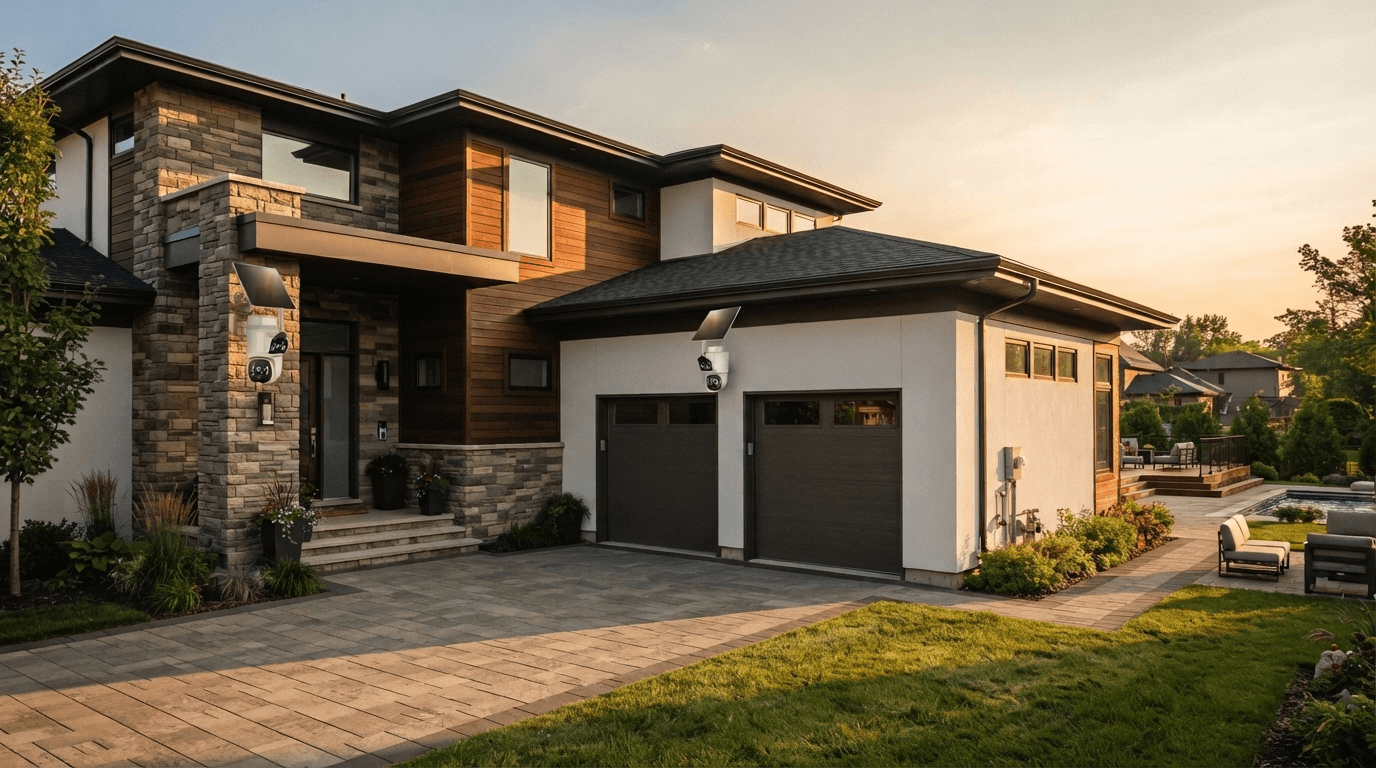
When it comes to protecting your home, buying the best outdoor security camera is only half the battle. Proper outdoor security camera placement plays an equally important role in keeping your property safe. Even the most advanced camera can't capture important events if it's installed in the wrong location.
Whether you're using a wireless outdoor security camera, a solar security camera, or a complete wireless home security camera system, strategic installation helps eliminate blind spots, improve motion detection, and provide clearer evidence when you need it most.
In this guide, we'll show you the best places to install outdoor security cameras around your home, common mistakes to avoid, and how Camcamp security systems make installation easier than ever.
Why Camera Placement Matters
A security camera is only effective if it captures the right area.
Poor placement can lead to:
- Missed motion events
- False alarms caused by trees or passing vehicles
- Blind spots around entry points
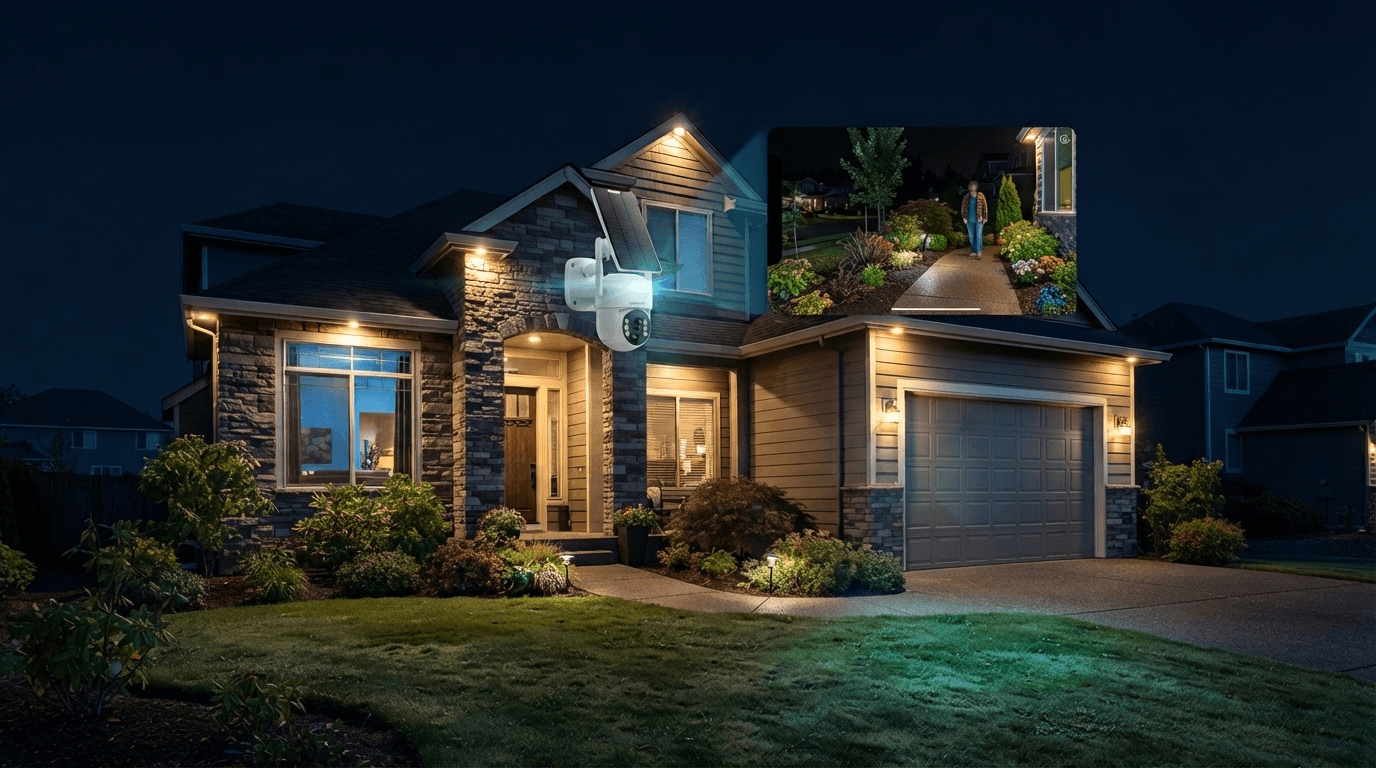
- Poor night vision performance
- Limited identification of visitors or intruders
Correct positioning ensures your camera captures clear footage while maximizing its field of view.
1. Install a Camera at Your Front Door
The front door is the most important location for any home security system.
According to home security studies, the majority of burglars attempt entry through the front entrance or nearby access points. A front door security camera helps monitor:
- Package deliveries
- Visitors
- Unexpected guests
- Suspicious activity
- Porch theft
Mount the camera approximately 8–10 feet (2.5–3 meters) above the ground. This height offers an excellent viewing angle while remaining difficult to tamper with.
If possible, angle the camera slightly downward to capture visitors' faces instead of only the tops of their heads.

2. Protect Your Driveway
Your driveway often contains valuable assets such as vehicles, trailers, motorcycles, or outdoor equipment.
Installing a driveway security camera allows you to:
- Monitor arriving vehicles
- Detect unauthorized access
- Record license plates
- Receive instant motion alerts
For long driveways, choose a camera with:
- High resolution
- Color night vision
- Wide viewing angle
- Smart motion detection
Camcamp wireless security cameras provide excellent coverage while reducing unnecessary alerts from passing traffic.

3. Cover Your Backyard
Many homeowners overlook the backyard, yet it's one of the easiest places for intruders to enter unnoticed.
A backyard camera can monitor:
- Rear doors
- Sliding glass doors
- Patios
- Pools
- Garden equipment
- Children's play areas
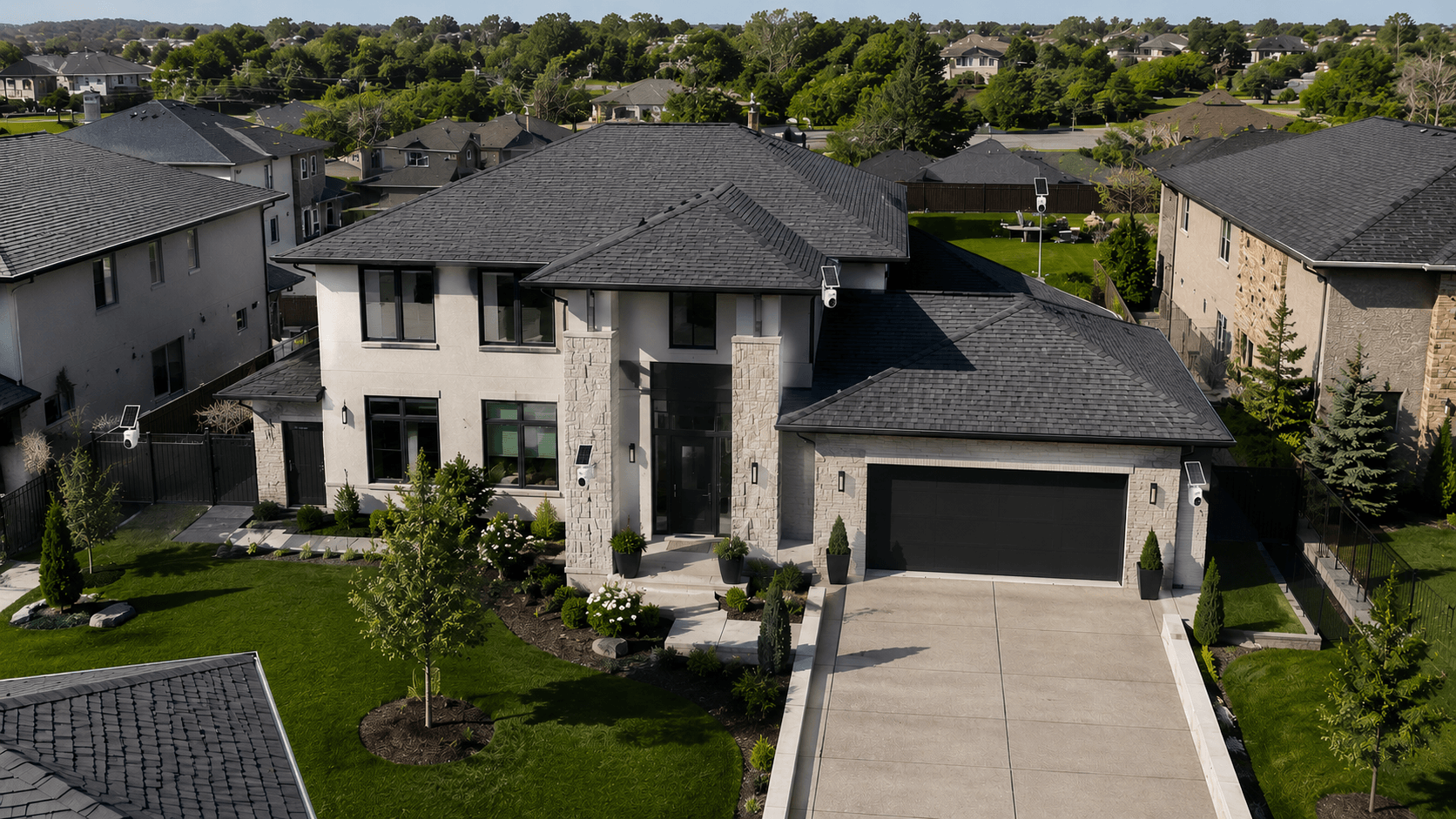
If your backyard is large, consider installing multiple cameras to eliminate blind spots.
Solar-powered security cameras work particularly well in open backyard environments because they receive consistent sunlight throughout the day.

4. Monitor Side Entrances and Gates
Side gates often receive far less attention than front entrances, making them attractive access points for burglars.
Install cameras to monitor:
- Side walkways
- Fence gates
- Utility entrances
- Garbage collection areas
Because these areas are typically narrow, position the camera so visitors move across the frame rather than directly toward it. This improves motion detection accuracy.
5. Watch Your Garage
Garages frequently store expensive tools, bicycles, and vehicles.
A garage camera should monitor:
- Garage doors
- Driveway approach
- Interior access door
- Workshop entrance
If your garage is detached, adding a dedicated outdoor camera significantly improves security.
6. Secure Backyard Sheds and Outdoor Storage
Outdoor sheds often contain:
- Power tools
- Lawn equipment
- Bicycles
- Camping gear
Unfortunately, they're also common burglary targets.
Installing a weatherproof outdoor camera provides valuable protection for these isolated structures.
7. Cover Basement and Ground-Level Windows
Windows remain one of the most common points of forced entry.
Install cameras to monitor:
- Basement windows
- Large sliding windows
- Ground-floor bedroom windows
- Hidden side windows
Avoid pointing cameras directly at reflective glass, especially when infrared night vision is enabled.
8. Monitor Outdoor Living Areas
Outdoor kitchens, patios, decks, and swimming pools are increasingly valuable parts of modern homes.
A camera overlooking these areas helps monitor:
- Family activities
- Pets
- Pool safety
- Outdoor furniture
- Unauthorized visitors
Wide-angle cameras work particularly well in these open spaces.
Best Installation Height
Most outdoor security cameras perform best when mounted between:
8–10 feet (2.5–3 meters)
This height:
- Reduces vandalism risk
- Improves viewing angles
- Enhances facial recognition
- Optimizes motion detection
Avoid mounting cameras too high, as this often captures only the tops of people's heads.
Common Camera Placement Mistakes
Even premium cameras can perform poorly if installed incorrectly.
Avoid these common mistakes:
Pointing Cameras Into Direct Sunlight
Strong sunlight creates glare and reduces image quality.
Covering Too Much Area
One camera cannot effectively monitor an entire property.
Ignoring Lighting Conditions
Install cameras where night vision can perform effectively without excessive reflections.
Blocking Motion Detection
Trees, bushes, and hanging plants can trigger unnecessary alerts.
Leaving Blind Spots
Walk around your property after installation to verify complete coverage.
Why Wireless Solar Cameras Are Easier to Install
Traditional wired systems often require drilling through walls and running long power cables.
Modern wireless outdoor security cameras simplify installation by offering:
- Battery power
- Solar charging
- Wi-Fi connectivity
- Flexible mounting locations
- Smartphone control
This makes it easy to place cameras exactly where they're needed.
Why Choose Camcamp Outdoor Security Cameras?
Camcamp security cameras are designed for homeowners who want professional protection without complicated installation.
Key features include:
- High-definition video quality
- Smart AI motion detection
- Two-way audio
- Color night vision
- Solar charging options
- Weather-resistant construction
- Mobile app notifications
- Wireless installation
Whether you're protecting your front porch, driveway, backyard, or entire property, Camcamp provides dependable monitoring around the clock.

Final Thoughts
Choosing the best places to install outdoor security cameras can dramatically improve your home's security. Focus on high-risk areas such as front doors, driveways, backyards, garages, side entrances, and windows to maximize coverage while reducing blind spots.
Combined with a reliable wireless home security camera system, thoughtful placement provides greater peace of mind and better protection for your family and property.
If you're looking for an easy-to-install solution with smart features and dependable performance, Camcamp outdoor security cameras are an excellent choice for modern home security.
FAQ
Where should outdoor security cameras be installed?
Outdoor security cameras should be installed at the front door, driveway, backyard, side entrances, garage, and other major entry points to maximize property coverage.
What is the best height for outdoor security cameras?
The recommended installation height is 8–10 feet (2.5–3 meters), providing an ideal balance between visibility and protection from tampering.
How many outdoor security cameras does a home need?
Most average-sized homes benefit from 4–6 cameras covering all primary entrances, driveways, and outdoor living areas.
Should outdoor security cameras face the street?
They can monitor public areas such as the street, but the primary focus should remain on your own property and entry points while complying with local privacy laws.
Are solar-powered outdoor security cameras reliable?
Yes. Modern solar-powered security cameras can operate year-round with sufficient sunlight and reduce the need for frequent battery charging.

Leave a comment
This site is protected by hCaptcha and the hCaptcha Privacy Policy and Terms of Service apply.