
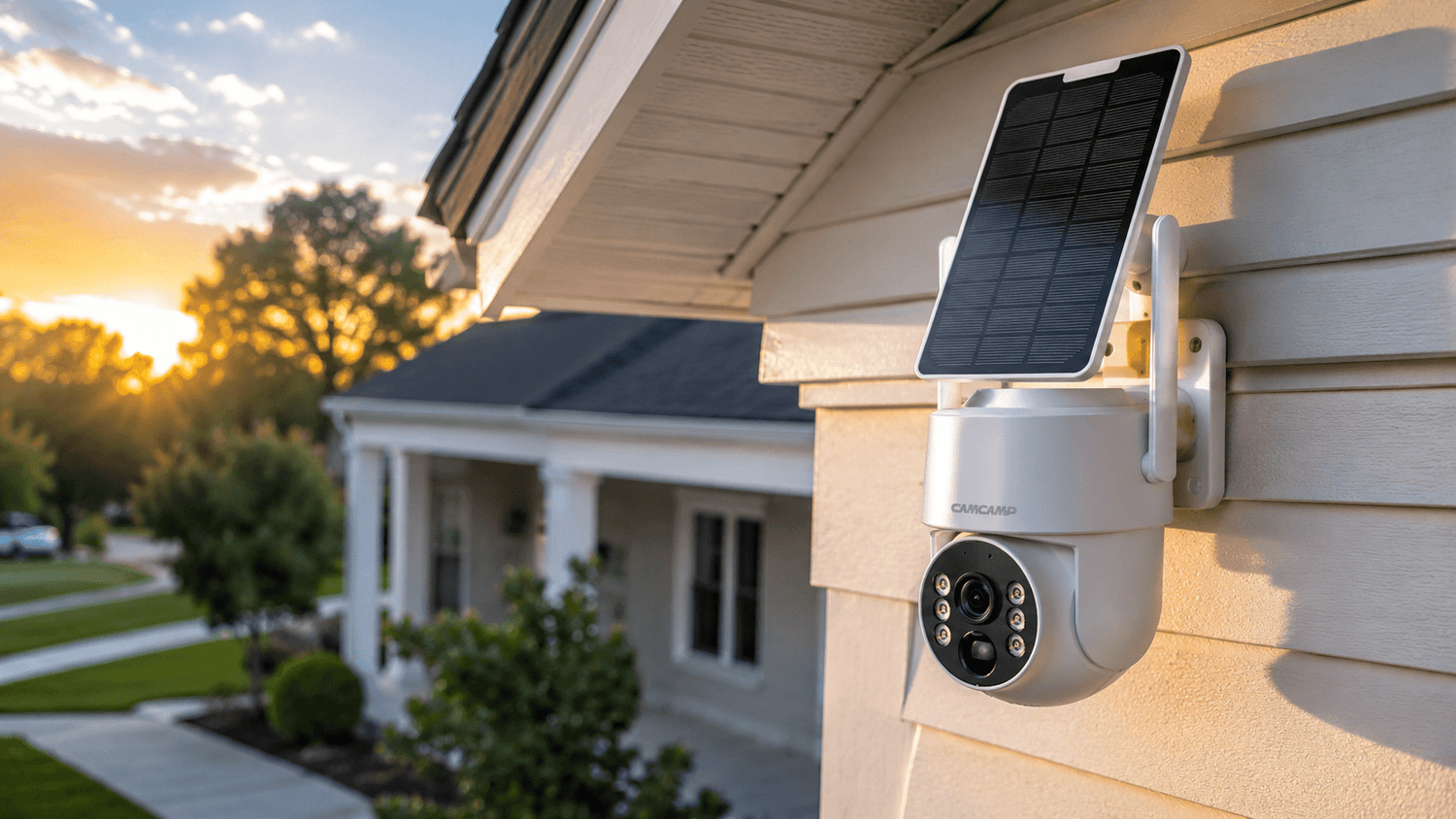
As homeowners continue searching for smarter and more efficient ways to protect their property, solar security cameras have become one of the fastest-growing trends in home security.
Unlike traditional wired security cameras that require constant power connections, solar-powered security cameras use sunlight to recharge their batteries, providing continuous surveillance with minimal maintenance.
But are solar security cameras really worth the investment?
In this guide, we'll explore how solar security cameras work, their advantages and disadvantages, installation considerations, and why many homeowners are choosing solar-powered outdoor cameras for year-round protection.
What Is a Solar Security Camera?
A solar security camera is an outdoor surveillance camera powered primarily by solar energy.
The system typically includes:
- Security camera
- Rechargeable battery
- Solar panel
- Wireless connectivity
- Motion detection sensors
During daylight hours, the solar panel converts sunlight into electricity and stores it in the camera's internal battery. This stored energy powers the camera day and night.
Many modern solar cameras, including models from Camcamp, combine solar charging with advanced features such as:
- 2K or 4K video
- AI motion detection
- Color night vision
- Two-way audio
- Smartphone alerts
- Cloud storage support

How Do Solar Security Cameras Work?
Understanding the technology behind solar security cameras helps explain why they have become so popular.
Solar Energy Collection
The solar panel captures sunlight and converts it into electrical energy.
Battery Storage
Excess power is stored inside rechargeable lithium batteries.
Smart Power Management
Modern cameras use intelligent power-saving modes.
When no activity is detected:
- Camera enters standby mode
- Energy consumption remains low
When motion occurs:
- Camera wakes instantly
- Records video
- Sends alerts to your smartphone
This combination of solar charging and low-power operation allows cameras to remain active for months or even years with little intervention.
Advantages of Solar Security Cameras
1. Easy Installation
One of the biggest benefits is wire-free installation.
Traditional security systems often require:
- Electrical wiring
- Professional installation
- Wall drilling
- Power outlets
Solar cameras eliminate these challenges.
Homeowners can install them almost anywhere sunlight is available.
2. Lower Long-Term Costs
Although the initial purchase price may be higher, solar-powered security cameras can save money over time.
Benefits include:
- No electricity costs
- Reduced maintenance
- No professional wiring expenses
For many homeowners, the long-term savings outweigh the upfront investment.

3. Flexible Placement
Without power cables, solar cameras can be installed in locations such as:
- Driveways
- Garages
- Backyards
- Farms
- Vacation homes
- Gates
- RV parking areas
This flexibility often results in better surveillance coverage.
4. Environmentally Friendly
Solar-powered security cameras reduce dependence on grid electricity.
For environmentally conscious homeowners, this makes solar security systems a sustainable security solution.
5. Reliable During Power Outages
Power outages can leave traditional wired cameras offline.
A solar security camera with battery backup continues operating even when household electricity is unavailable.
This additional resilience provides valuable protection during emergencies.
Are Solar Security Cameras Effective at Night?
Many homeowners worry about nighttime performance.
The answer is yes.
Modern solar security cameras use advanced night vision technologies such as:
Infrared Night Vision
Captures detailed black-and-white images in complete darkness.
Color Night Vision
Uses spotlights and image enhancement to provide full-color nighttime footage.
Smart AI Detection
Modern systems can distinguish between:
- People
- Vehicles
- Pets
- Wildlife
Reducing false alarms while improving security.

Potential Limitations of Solar Security Cameras
While solar cameras offer many advantages, they are not perfect.
Limited Sunlight
Performance depends on solar exposure.
Challenges may occur in:
- Dense shade
- Covered patios
- Northern climates with long winters
Most modern cameras compensate by using high-capacity batteries.
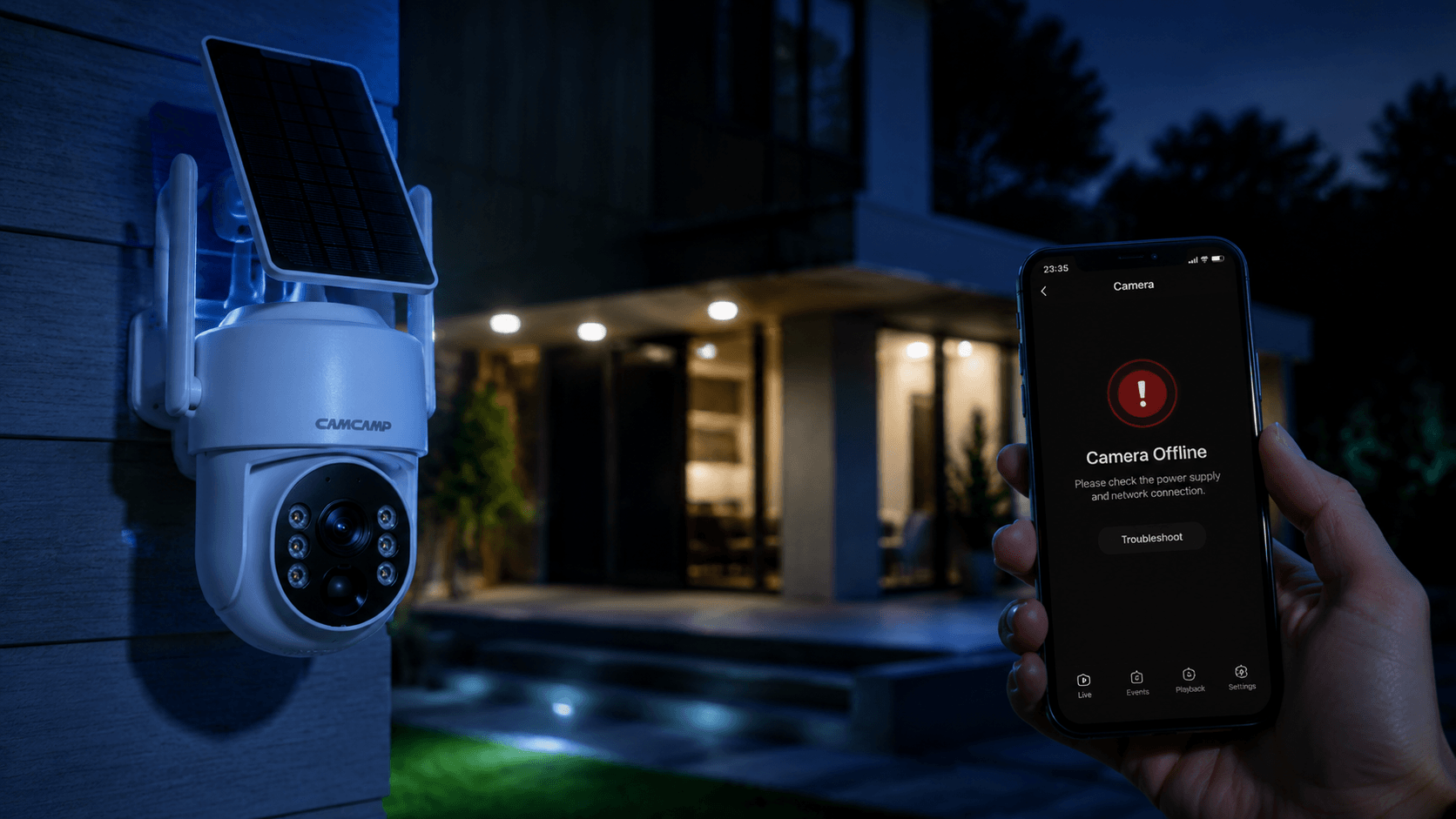
WiFi Dependency
Many solar security cameras require WiFi connectivity.
Poor internet coverage can affect:
- Live viewing
- Motion alerts
- Cloud storage access
Strong network coverage remains essential.
Battery Management
Although solar charging reduces maintenance, occasional battery monitoring may still be required during prolonged periods of bad weather.
Who Should Buy a Solar Security Camera?
Solar security cameras are ideal for:
Homeowners
Protect entrances, driveways, and backyards.
Rural Properties
Monitor remote areas without power access.
Vacation Homes
Maintain security when properties are unoccupied.
Farms and Ranches
Observe livestock and equipment.
Small Businesses
Secure outdoor areas while reducing installation costs.

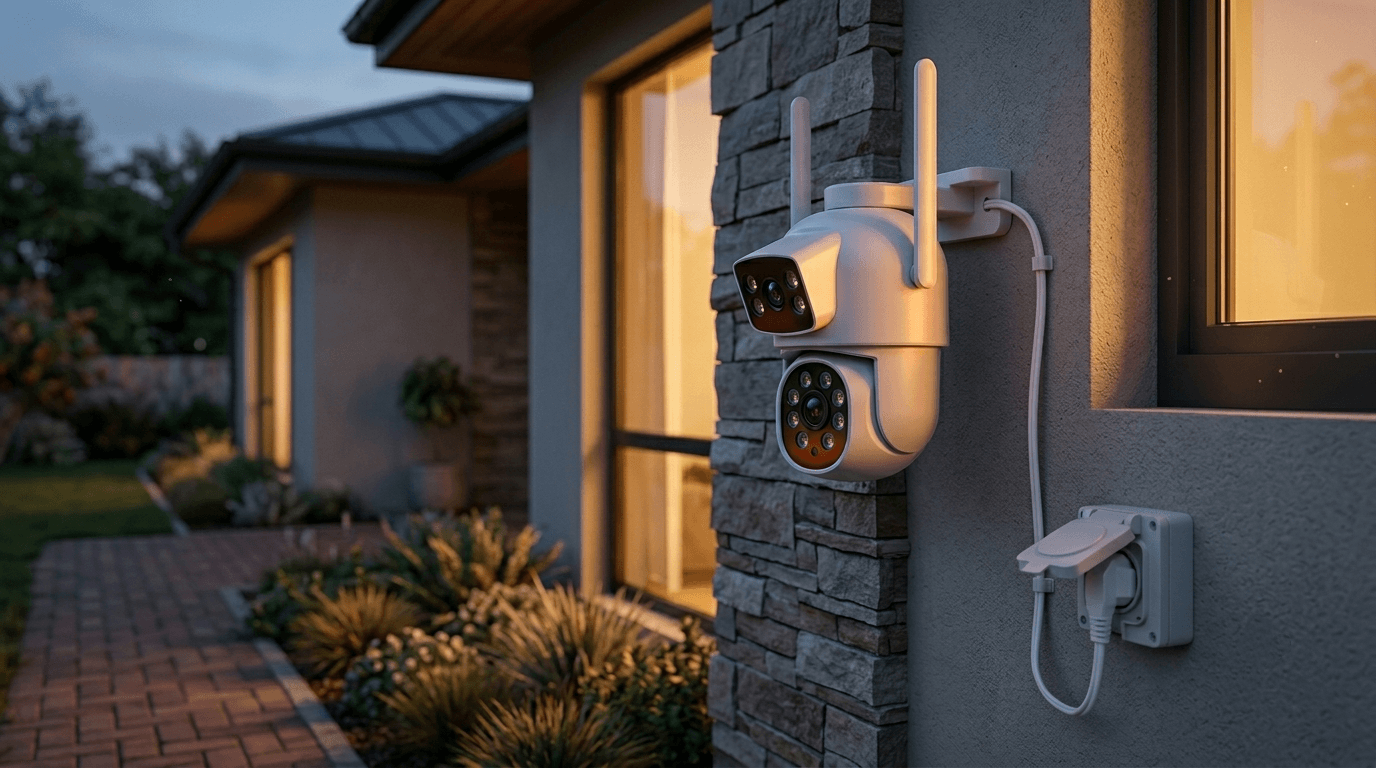
Solar Security Cameras vs Traditional Wired Cameras
| Feature | Solar Camera | Wired Camera |
|---|---|---|
| Installation | Easy | Complex |
| Flexibility | High | Limited |
| Power Source | Solar + Battery | Electricity |
| Maintenance | Low | Low |
| Power Outage Protection | Yes | Often No |
| Installation Cost | Lower | Higher |
For many modern households, solar-powered security cameras provide a more practical and cost-effective solution.
Why More Homeowners Are Choosing Camcamp Solar Security Cameras
Camcamp designs solar security cameras specifically for reliable outdoor protection.
Popular features include:
- Solar-powered operation
- Wire-free installation
- AI motion detection
- Color night vision
- Two-way audio
- Mobile app alerts
- Weatherproof construction
- Long battery life
Products such as the Camcamp SC43 and SC48 make it easier than ever to secure your property without complicated wiring or ongoing maintenance.

Frequently Asked Questions
Do solar security cameras work on cloudy days?
Yes. Most models store excess energy in rechargeable batteries and can continue operating during several days of cloudy weather.
How long do solar camera batteries last?
Many systems can operate for weeks without direct sunlight depending on usage and battery capacity.
Are solar security cameras waterproof?
Most outdoor models feature weather-resistant ratings such as IP65 or IP66.
Can solar security cameras record continuously?
Many use motion-triggered recording to maximize battery life.
Final Verdict: Are Solar Security Cameras Worth It?
For most homeowners, the answer is yes.
Solar security cameras combine flexible installation, low maintenance, energy efficiency, and reliable outdoor surveillance into one convenient package.
They are particularly valuable for homeowners seeking:
- Wire-free security systems
- Lower long-term costs
- Reliable backup during outages
- Easy DIY installation
- Sustainable home security solutions
If you're looking for a smarter way to protect your property, a solar-powered security camera from Camcamp can provide dependable protection while reducing the hassle associated with traditional security systems.

Leave a comment
This site is protected by hCaptcha and the hCaptcha Privacy Policy and Terms of Service apply.