
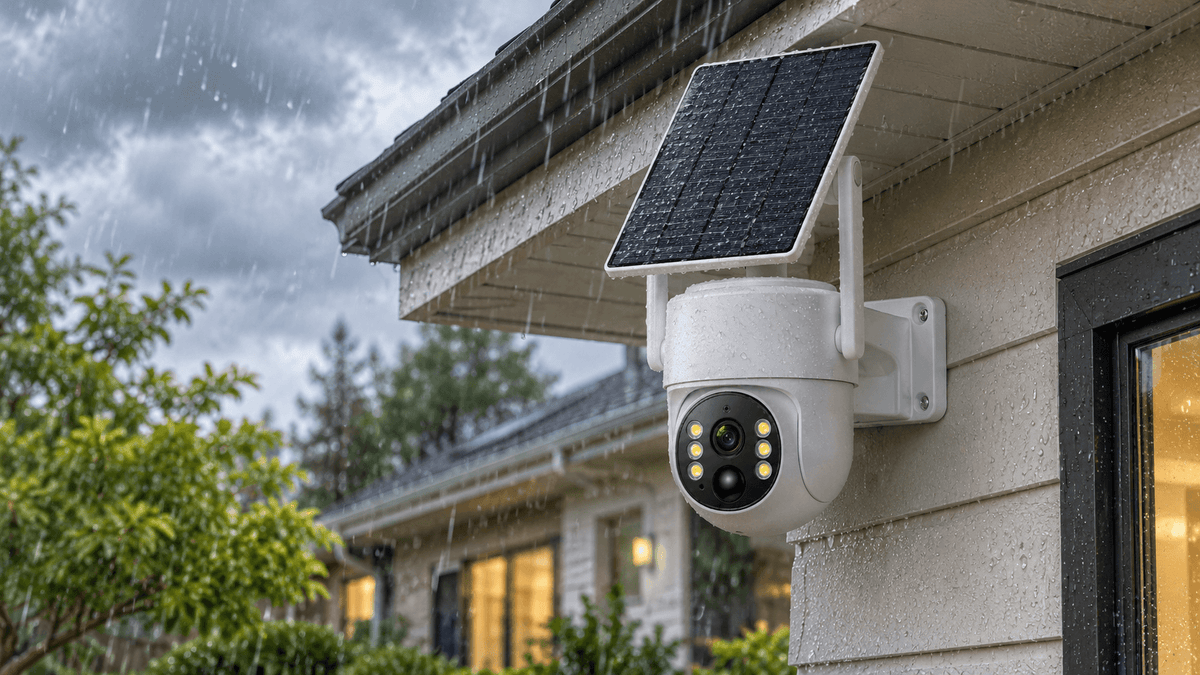
Outdoor security cameras play an important role in protecting your home, driveway, backyard, garage, and other outdoor spaces. However, installing a security camera outside means exposing it to changing weather conditions throughout the year. Heavy rain, strong winds, intense sunlight, high temperatures, snow, and freezing conditions can all affect camera performance and long-term reliability.
So, how do you protect outdoor security cameras from harsh weather?
The good news is that a few smart installation choices and regular maintenance habits can significantly reduce weather-related damage. Whether you use a wireless outdoor security camera, a solar-powered security camera, or a complete home security camera system, proper protection helps maintain clear footage and dependable monitoring.
In this guide, Camcamp explains how to protect outdoor security cameras from rain, wind, heat, and snow, along with practical outdoor camera installation tips for every season.
1. How to Protect Outdoor Security Cameras From Rain
Rain is one of the most common challenges for outdoor security cameras. Although many outdoor cameras are designed with weather-resistant housings, constant exposure to heavy rain, water accumulation, and moisture can still create problems.
Water may enter through poorly sealed connections, damaged cables, or improperly protected ports. Water droplets on the camera lens can also blur footage and reduce visibility.
Here are several ways to protect your outdoor security camera from rain.
Choose a Weather-Resistant Security Camera
Before installing an outdoor camera, check its IP (Ingress Protection) rating and manufacturer specifications.
For example, IP65-rated devices are designed to resist dust and water jets under specified testing conditions. Higher protection ratings may offer additional resistance, depending on the exact rating.
However, remember that weather-resistant does not mean waterproof under every circumstance. An IP rating does not automatically guarantee protection against flooding, submersion, or long-term exposure to every weather condition.
Always check the manufacturer's recommended operating conditions before choosing an installation location.
Install Cameras Under Roof Eaves or Sheltered Areas
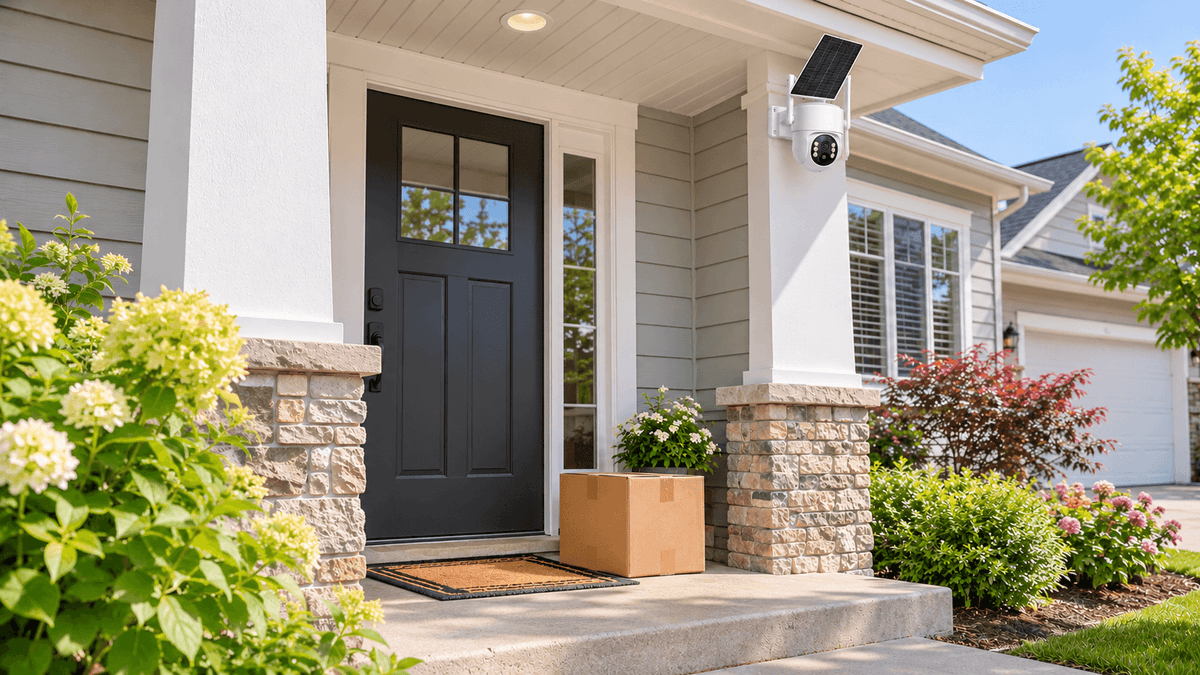
One of the easiest ways to protect an outdoor security camera from rain is to install it beneath a roof overhang, porch ceiling, or other sheltered structure.
A covered location helps reduce direct rainfall, water splashes, and moisture accumulation around the camera housing.
When choosing a sheltered location, make sure the camera still has a clear view of the areas you want to monitor, such as entrances, driveways, and backyards.
Protect Cable Connections and Ports
Cable connections are another area that requires attention.
For wired outdoor security cameras, use suitable weatherproof cable connectors and protective junction boxes where recommended. Make sure exposed cables are properly secured and that connection points are not positioned where water can collect.
For wireless and solar-powered cameras, check charging ports, rubber covers, and cable connections regularly. Make sure protective covers are properly closed according to the manufacturer's instructions.

2. How to Protect Outdoor Security Cameras From Strong Winds
Strong winds can affect more than just a camera's physical structure. They can cause vibration, unstable footage, loose mounting brackets, and damage from flying debris.
In areas that experience storms or frequent high winds, secure installation is especially important.
Use a Strong and Stable Mounting Surface
Always install outdoor security cameras on a firm surface, such as a solid exterior wall, sturdy wooden beam, or properly supported mounting structure.
Avoid mounting cameras on loose panels, weak fences, unstable branches, or structures that move significantly during windy conditions.
Use the mounting screws and anchors recommended for the wall material. Periodically check whether the mounting bracket has become loose.
Choose a Location Away From Moving Objects
Tree branches, hanging decorations, loose wires, and outdoor furniture can move during strong winds.
These objects may obstruct the camera's field of view, trigger unnecessary motion alerts, or repeatedly strike the camera housing.
Whenever possible, install cameras away from objects that may swing or fall during storms.
Secure Solar Panels and Exposed Cables
Solar-powered outdoor security cameras offer convenient installation without relying entirely on traditional power outlets. However, their solar panels also need proper mounting.
Make sure the solar panel bracket is firmly attached and positioned to receive adequate sunlight without being unnecessarily exposed to strong wind.
Secure exposed charging cables along walls or other stable surfaces. Avoid leaving long sections hanging freely.

3. How to Protect Outdoor Security Cameras From Extreme Heat and Direct Sunlight
Extreme heat can affect electronic components, batteries, image sensors, and other camera parts.
Direct sunlight may also create glare, overexposed footage, and poor image contrast, especially when the camera faces the sun during sunrise or sunset.
If you live in an area with hot summers, consider the following precautions.
Avoid Direct Sunlight Whenever Possible
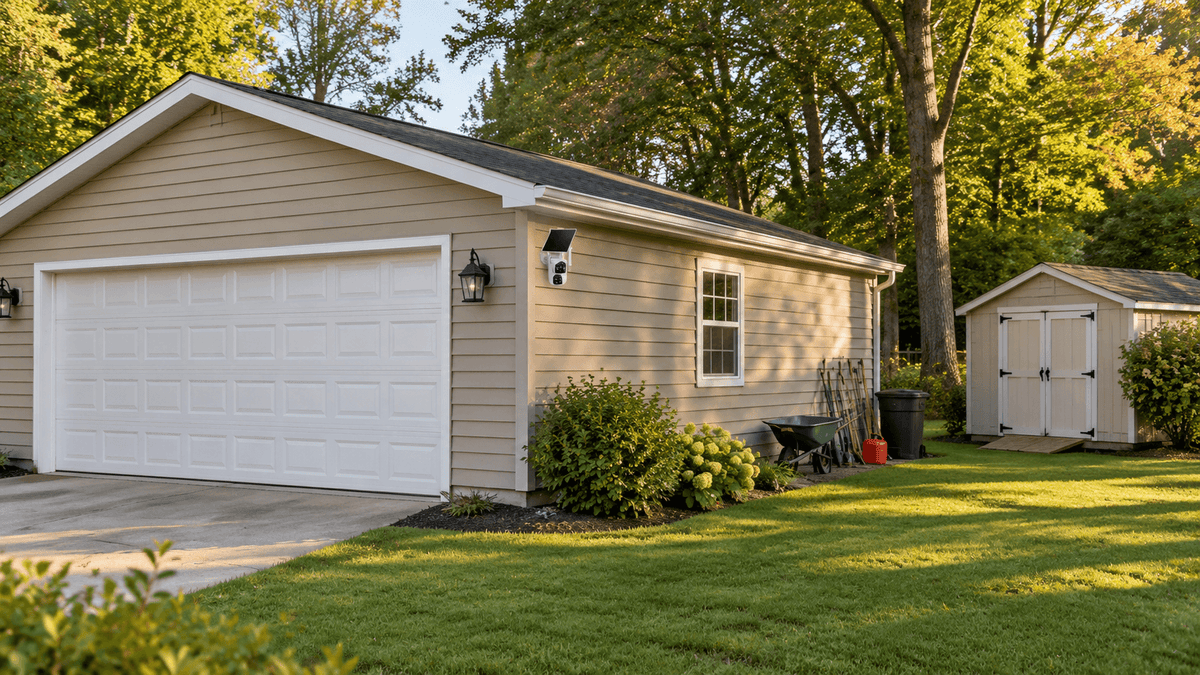
Install outdoor security cameras under roof eaves or other shaded areas whenever practical.
Try to position the camera so its lens does not face directly toward the sun. This can help reduce glare and improve image quality.
A shaded installation location also reduces unnecessary heat exposure to the camera housing.
Check the Operating Temperature Range
Every outdoor security camera has a recommended operating temperature range.
Before installation, check the product specifications and make sure the expected outdoor temperature falls within the supported range.
Remember that the temperature inside a camera housing exposed to direct sunlight may be higher than the surrounding air temperature.
Do not assume that every weatherproof camera can operate safely in extreme desert heat or prolonged direct sunlight.
Keep Solar Panels Clean and Properly Positioned
Solar-powered security cameras need sufficient sunlight to recharge their batteries.
However, positioning a solar panel in direct sunlight does not mean the camera itself must also be exposed to direct sunlight.
Where the design allows, install the camera in a shaded location and position the separate solar panel in a suitable sunny area.
Clean the solar panel periodically to remove dust, leaves, and other debris that may reduce charging efficiency.

4. How to Protect Outdoor Security Cameras From Snow and Freezing Temperatures
Snow and freezing weather create several challenges for outdoor surveillance systems.
Snow can cover camera lenses, block the field of view, and accumulate around mounting brackets. Ice may also form around cable connections or moving camera components.
Low temperatures can affect battery performance and reduce the efficiency of solar-powered security cameras.
Keep the Camera Lens Clear of Snow and Ice
Install cameras in locations where roof snow, falling ice, and heavy snow accumulation are less likely to block the lens.
After a snowfall, inspect the camera and gently remove loose snow if necessary.
Use a soft, non-abrasive cloth to clean the lens. Avoid scraping ice with sharp objects or applying hot water, as sudden temperature changes may damage components.
Protect Batteries in Cold Weather
Cold temperatures can temporarily reduce rechargeable battery performance.
If your outdoor camera uses a rechargeable battery, follow the manufacturer's recommended operating and charging temperature limits.
For solar-powered security cameras, shorter daylight hours and snow-covered solar panels can also reduce available charging energy.
Check battery levels more frequently during winter and clean the solar panel whenever it becomes covered with snow or debris.
Check Mounting Brackets After Snowstorms
Heavy snow and ice can place additional weight on mounting structures.
Inspect brackets, screws, and exposed cables after severe winter weather. Replace damaged components before they cause the camera to become unstable.

5. Additional Outdoor Security Camera Maintenance Tips for Every Season
Weather protection is not a one-time installation task. Regular maintenance helps prevent small problems from becoming expensive repairs.
Here is a simple seasonal outdoor security camera maintenance checklist:
- Spring: Clean camera lenses, inspect cable connections, and remove dust or debris left by winter storms.
- Summer: Check for overheating, clean solar panels, and make sure direct sunlight is not affecting image quality.
- Fall: Trim nearby branches, remove fallen leaves, and inspect mounting brackets before storm season.
- Winter: Check for snow accumulation, ice buildup, reduced battery performance, and blocked camera views.
You should also test your camera's live view, motion detection, night vision, and recording functions regularly.
For wireless security camera systems, check Wi-Fi signal strength and make sure the camera maintains a stable connection to its receiver or network.
For systems with a dedicated NVR, confirm that the recording device is operating correctly and that important footage is being saved.
6. Why Choosing the Right Outdoor Security Camera Matters
Good installation and maintenance are important, but choosing a camera designed for outdoor use makes a difference too.
When comparing outdoor security cameras, consider these essential features:
- Weather resistance: Check the IP rating and manufacturer-approved outdoor operating conditions.
- Stable mounting: Look for secure mounting hardware suitable for your installation surface.
- Night vision: Choose a camera with night vision capabilities appropriate for your property.
- Reliable power: Consider battery-powered, solar-powered, or wired options based on your location and monitoring needs.
- Remote monitoring: Make sure you can conveniently check your property through a compatible mobile application.
- Recording options: Consider local NVR storage, SD card recording, or cloud storage, depending on the system.
For homeowners looking for convenient outdoor monitoring, a wireless solar security camera system can be a practical solution.
Camcamp offers outdoor security camera solutions designed for different home monitoring needs. For example, the Camcamp SC43 wireless solar security camera system combines solar-powered outdoor cameras with a 10.1-inch NVR monitor and 500GB hard drive for local recording.
A suitable security camera system, combined with proper weather protection and routine maintenance, can help you monitor your property throughout the year.
7. FAQ About Outdoor Security Camera Weather Protection
Are outdoor security cameras waterproof?
Not all outdoor security cameras are completely waterproof. Many models are weather-resistant and designed to withstand certain levels of rain and dust. Always check the IP rating and the manufacturer's installation instructions before exposing a camera to harsh weather.
Should outdoor security cameras be covered from rain?
Yes, installing outdoor security cameras beneath roof eaves or other sheltered areas is generally a good idea. Even weather-resistant cameras can benefit from reduced direct exposure to rain, water splashes, and accumulated moisture.
Can outdoor security cameras work in freezing temperatures?
Some outdoor cameras are designed to operate in freezing conditions, but their supported temperature ranges vary. Cold weather may also reduce rechargeable battery performance. Check the product specifications before installation.
Does extreme heat damage outdoor security cameras?
Prolonged exposure to extreme heat and direct sunlight can affect electronic components, batteries, and image quality. Installing cameras in shaded areas and following the recommended operating temperature range can help reduce these risks.
How do I protect a solar security camera during winter?
Keep the solar panel free from snow, leaves, and dirt. Monitor battery levels more frequently, check the manufacturer's temperature recommendations, and make sure the camera has an unobstructed view.
How often should outdoor security cameras be maintained?
A quick visual inspection every month is a useful routine. More thorough maintenance should be performed seasonally and after severe weather events. Check lenses, mounting brackets, cables, solar panels, and recording functions.
Final Thoughts
Protecting outdoor security cameras from rain, wind, heat, and snow starts with choosing the right equipment and installing it in a suitable location.
Use sheltered mounting positions, secure brackets, protect exposed connections, avoid unnecessary direct sunlight, and inspect your cameras regularly. If you use a solar-powered security camera, remember to keep its solar panel clean and monitor battery performance as the seasons change.
With proper installation and routine care, your outdoor security camera system can provide more dependable property monitoring throughout the year.
Looking for a reliable way to monitor your home and outdoor spaces? Explore Camcamp's wireless and solar-powered security camera systems and find a solution that fits your property and security needs.

Leave a comment
This site is protected by hCaptcha and the hCaptcha Privacy Policy and Terms of Service apply.