
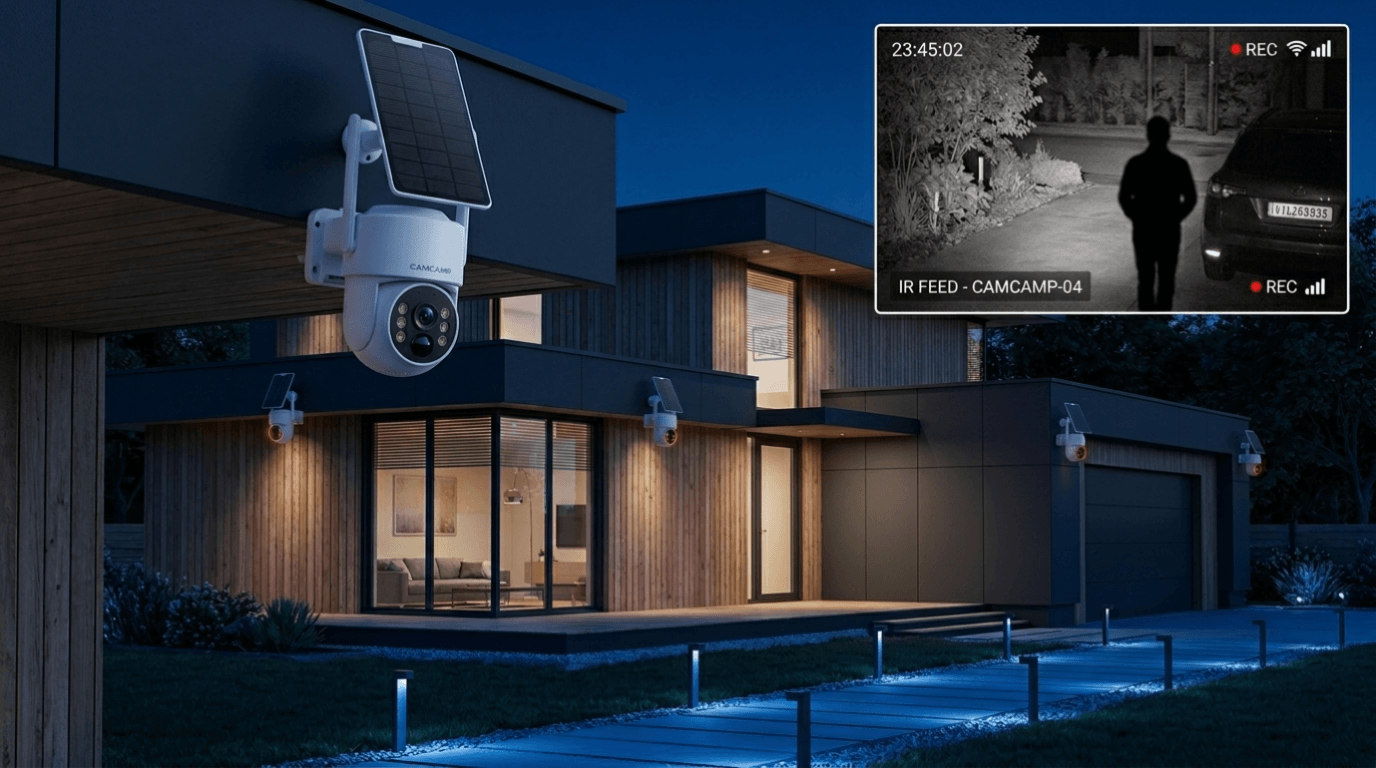
Home security technology has evolved dramatically in recent years, and one of the most important innovations is the rise of night vision security cameras. Whether you're protecting your home, monitoring your driveway, or securing your backyard, modern night vision cameras allow homeowners to see clearly even in complete darkness.
But how do night vision security cameras actually work? Why can some cameras see in black and white while others provide full-color night footage? And which type is best for your home security setup?
In this complete guide, we’ll explain everything you need to know about night vision security cameras, including infrared technology, color night vision, low-light sensors, AI motion detection, and the best features to look for when choosing a smart home security camera.
What Is a Night Vision Security Camera?
A night vision security camera is a surveillance camera designed to capture clear video footage in low-light or completely dark environments. These cameras use special technologies like infrared LEDs, low-light image sensors, and AI-enhanced image processing to monitor activity.
Unlike traditional cameras that struggle in darkness, modern night vision cameras can continue recording sharp footage throughout the night, helping homeowners detect intruders, monitor deliveries, and improve overall home security.
Night vision cameras are commonly used for:
- Home security systems
- Outdoor surveillance
- Garage and driveway monitoring
- Backyard protection
- Business security
- Smart home automation
Today’s wireless security cameras also include advanced features like motion alerts, mobile app access, cloud storage, and two-way audio.
How Do Night Vision Security Cameras Work?
Night vision security cameras typically use infrared (IR) technology to see in the dark.
Infrared LEDs
Most outdoor security cameras include built-in infrared LEDs surrounding the camera lens. These LEDs emit infrared light, which is invisible to the human eye but detectable by the camera sensor.
When darkness falls, the camera automatically switches into night vision mode and uses infrared illumination to capture video footage.
The result is usually a black-and-white image that remains clear even in total darkness.

Why Are Night Vision Videos Usually Black and White?
Traditional infrared night vision cameras display black-and-white footage because monochrome images provide better contrast and improved clarity in low-light environments.
Black-and-white imaging helps cameras:
- Detect movement more accurately
- Improve visibility in darkness
- Reduce image noise
- Enhance detail recognition
This is why many home surveillance systems automatically switch from color during the daytime to black-and-white infrared mode at night.
What Is Color Night Vision?
Color night vision is a newer security camera technology that allows cameras to capture full-color footage at night.
Instead of relying only on infrared LEDs, color night vision cameras use:
- Advanced low-light sensors
- Wide aperture lenses
- AI image enhancement
- Supplemental spotlights
This technology helps homeowners identify important details like:
- Clothing colors
- Vehicle colors
- Package details
- Facial features
Color night vision is especially useful for driveway security, front door monitoring, and outdoor surveillance.
Camcamp security cameras use advanced low-light imaging technology to deliver brighter and more detailed nighttime recordings for smart home protection.

Infrared Night Vision vs Color Night Vision
Infrared Night Vision
Advantages:
- Works in complete darkness
- Lower power consumption
- Longer night vision range
- Affordable pricing
Disadvantages:
- Black-and-white footage only
- Less visual detail
Color Night Vision
Advantages:
- More detailed nighttime footage
- Better identification accuracy
- Improved smart home monitoring
Disadvantages:
- Requires some ambient lighting
- Slightly higher power consumption
For most homeowners, combining both technologies offers the best home security experience.
What Is the Night Vision Range of Security Cameras?
The night vision range depends on several factors:
- Number of infrared LEDs
- Sensor quality
- Lens design
- Environmental lighting
- Camera resolution
Most modern outdoor security cameras offer night vision ranges between 30 and 100 feet.
Premium security cameras may provide even longer infrared visibility for large properties, farms, parking areas, or warehouses.
When choosing a wireless security camera, always check the advertised night vision distance to ensure it matches your monitoring needs.

How AI Improves Night Vision Security Cameras
Artificial intelligence has dramatically improved modern home surveillance systems.
AI-powered security cameras can now:
- Detect humans more accurately
- Reduce false alarms
- Recognize vehicles
- Distinguish pets from people
- Send smarter motion alerts
Combined with night vision technology, AI security cameras help homeowners receive more accurate notifications during nighttime hours.
Camcamp smart security cameras integrate intelligent motion detection with night surveillance features for reliable protection.
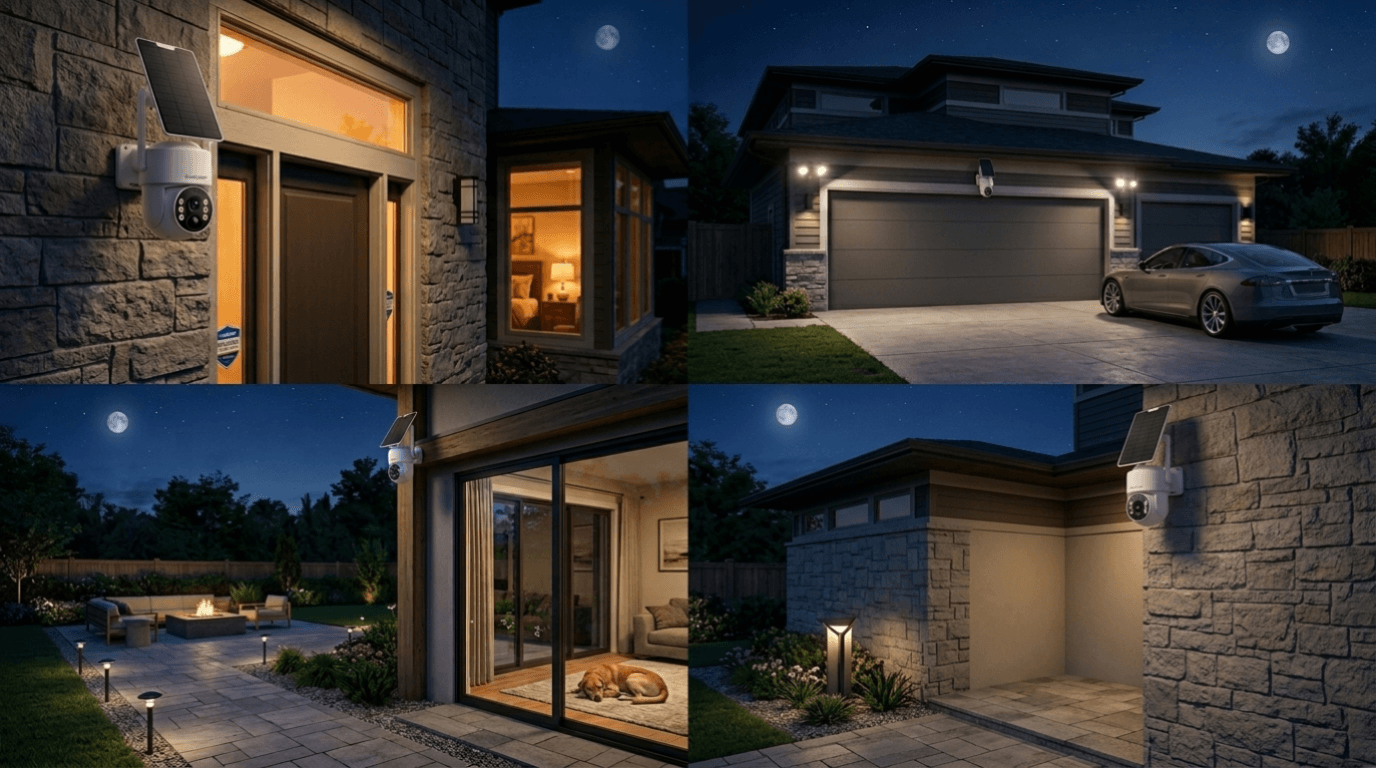
Best Places to Install Night Vision Cameras
To maximize nighttime security coverage, place cameras in these key locations:
Front Door
Protect deliveries and monitor visitors.
Driveway
Monitor parked vehicles and detect suspicious activity.
Backyard
Secure hidden areas around the property.
Garage
Prevent theft and unauthorized access.
Side Entrances
Cover blind spots that intruders may use.
Proper camera placement significantly improves night vision performance and overall home security effectiveness.

Important Features to Look for in Night Vision Security Cameras
When shopping for a smart security camera, consider these essential features:
1. High Resolution
Choose at least 2K or 4K resolution for clearer nighttime footage.
2. Color Night Vision
Improves identification accuracy in low-light conditions.
3. Motion Detection
Receive instant alerts when movement is detected.
4. Wireless Connectivity
WiFi security cameras simplify installation and remote monitoring.
5. Two-Way Audio
Communicate with visitors directly through the camera.
6. Weatherproof Design
Outdoor cameras should resist rain, dust, and heat.
7. Cloud or Local Storage
Store recordings safely for future playback.
Camcamp security cameras combine these advanced features into user-friendly smart home security solutions.
Are Night Vision Security Cameras Worth It?
Absolutely.
Nighttime is when most security incidents occur, making night vision one of the most important features in any home surveillance system.
Benefits include:
- Home protection
- Crime deterrence
- Better evidence collection
- Remote peace of mind
- Enhanced smart home automation
Whether you live in a suburban neighborhood, apartment, or rural property, installing reliable night vision security cameras can significantly improve your home security strategy.
Final Thoughts
Night vision security cameras have become essential tools for modern home protection. Thanks to infrared technology, AI motion detection, and color night vision advancements, today’s smart security cameras can monitor your property clearly even in complete darkness.
When choosing the best night vision security camera, focus on image quality, night vision range, AI detection features, and overall reliability.
Camcamp continues to develop advanced smart home security cameras designed to provide dependable day-and-night protection for homeowners who value safety, convenience, and peace of mind.
If you’re ready to upgrade your home surveillance system, investing in a high-quality night vision security camera is one of the smartest security decisions you can make.

Leave a comment
This site is protected by hCaptcha and the hCaptcha Privacy Policy and Terms of Service apply.