
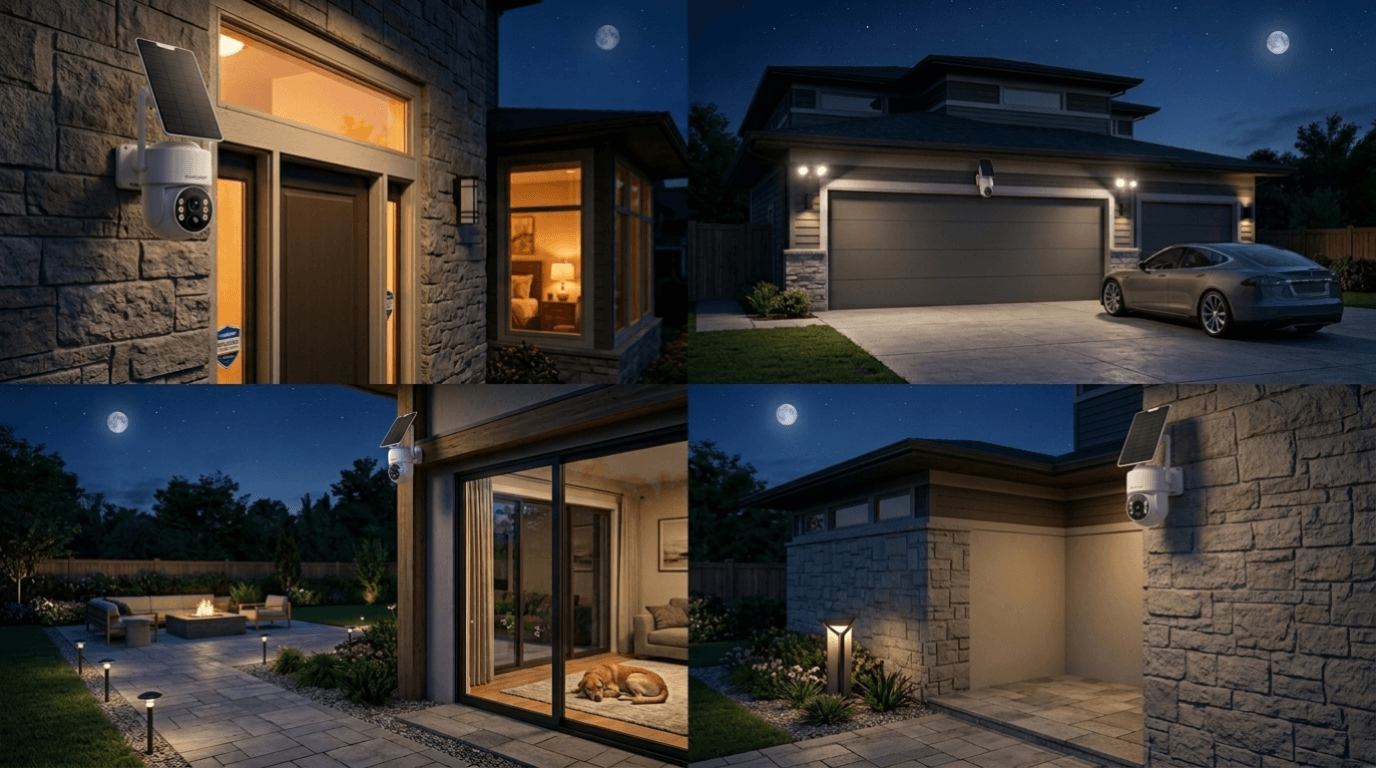
Keeping your home and family safe starts with more than buying a high-quality camera. Even the most advanced smart security camera can miss important events if it is installed in the wrong place. Proper camera placement is one of the biggest factors that determines whether your security system delivers complete protection or leaves dangerous blind spots.
Many homeowners invest in smart home security systems but install cameras only at the front door. While the entrance is important, maximizing protection requires a more strategic approach.
In this guide, we'll explain the best places to install home security cameras, common placement mistakes, and how a complete smart monitoring system like Camcamp can help secure your property.
Why Camera Placement Matters
Security cameras do much more than record footage.
Properly placed cameras can:
- Deter criminals before a break-in occurs
- Monitor suspicious activity
- Capture evidence
- Protect family members
- Eliminate blind spots
- Improve smart home security
Studies consistently show visible surveillance systems can reduce criminal activity around residential properties.
Poor placement can create issues such as:
- Obstructed views
- Excessive false alerts
- Limited night visibility
- Missed motion events
- Privacy concerns
The goal is complete visibility without overcomplicating your system.
Best Places to Install Outdoor Security Cameras
1. Front Door
The front door is the most important location for a security camera.
Research often suggests a large percentage of package theft and home break-in attempts begin at the front entrance.
Install your camera:
- Above eye level (approximately 8–10 feet)
- Angled downward
- Wide enough to cover the entire entryway
A smart camera with AI motion detection can distinguish people from pets or moving objects.

2. Driveway
Your driveway often contains valuable assets including vehicles, bicycles, and garage access.
Driveway cameras should cover:
- Parked cars
- Vehicle entrances
- Side approaches
Position cameras high enough to prevent tampering while still maintaining license plate visibility.
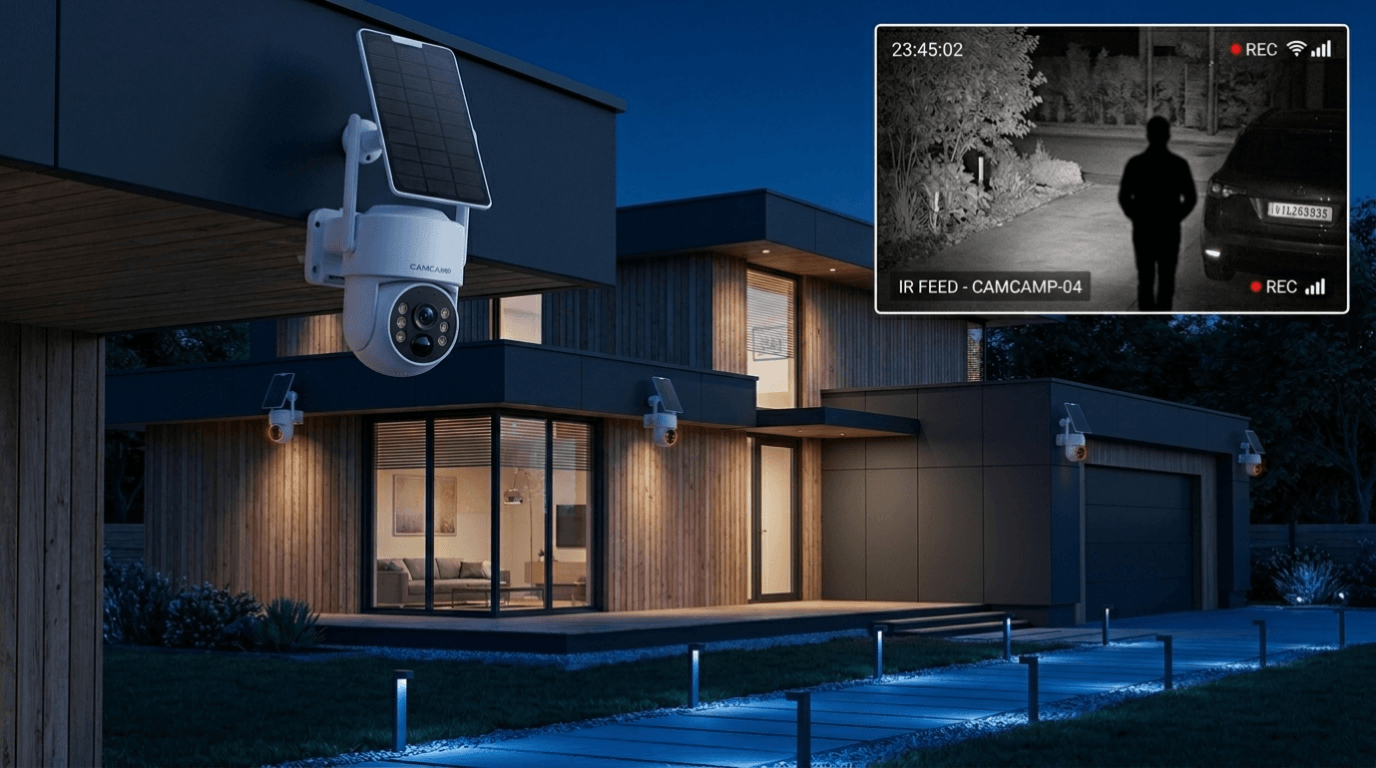
Modern Camcamp cameras with night vision and motion detection provide clear monitoring even in darkness.

3. Backyard
Backyards are often overlooked but are common entry points for intruders.
Monitor:
- Back doors
- Fences
- Gates
- Pools
- Patio areas
A wide-angle outdoor security camera can reduce blind spots and provide broader coverage.

4. Garage
Garages frequently contain:
- Vehicles
- Power tools
- Expensive equipment
- Storage items
Install cameras facing:
- Garage doors
- Interior entrances
- Side access doors
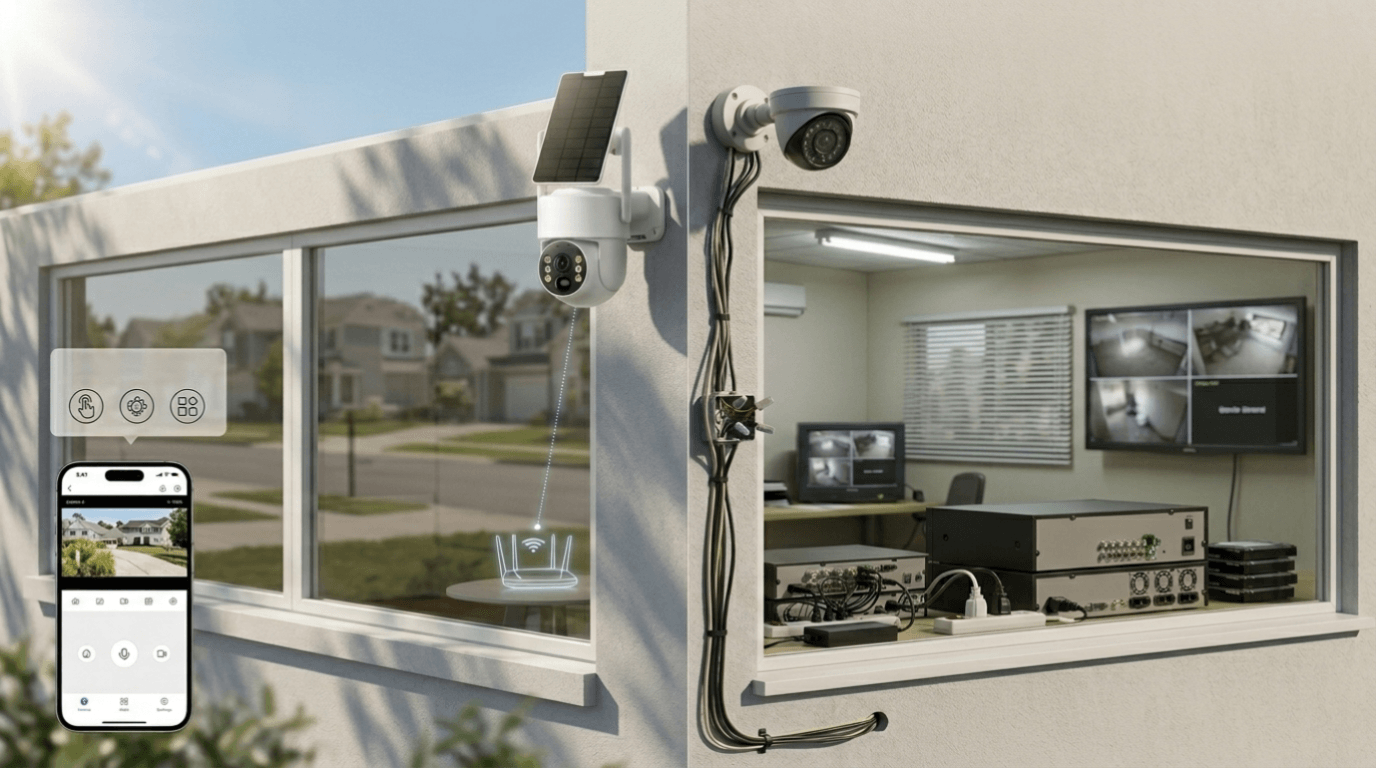
For detached garages, wireless security cameras may simplify installation.
Best Indoor Camera Locations
1. Main Hallways
Hallways connect multiple areas of the house and naturally capture movement.
Benefits include:
- Monitoring movement patterns
- Tracking entry activity
- Covering multiple rooms

2. Living Room
The living room often contains:
- Electronics
- TVs
- Computers
- Valuable items
Indoor cameras can monitor activity and help homeowners check on children or pets remotely.
3. Stairways
Stairways naturally force movement through a narrow area, creating effective monitoring points.
Common Security Camera Placement Mistakes
Installing Cameras Too Low
Low-mounted cameras are easier to damage or disable.
Recommended height:
8–10 feet above ground level
Ignoring Lighting Conditions
Avoid pointing cameras directly toward:
- Bright sunlight
- Reflective windows
- Exterior lights
This can reduce image quality.
Creating Blind Spots
Many homes only cover the front door and miss:
- Side entrances
- Backyard access
- Windows
- Garages
A complete home surveillance system should overlap viewing areas.
Ignoring WiFi Signal Strength
Wireless security cameras require stable connectivity.
Before installation:
- Test signal strength
- Check upload speed
Why Smart Homeowners Choose Camcamp
Modern homeowners need more than simple recording.
Camcamp security solutions provide:
✓ Smart motion detection
✓ HD video quality
✓ Night vision technology
✓ Wireless installation
✓ Mobile app monitoring
✓ Real-time alerts
✓ Wide-angle viewing
Whether protecting your front porch, backyard, or indoor spaces, strategic placement combined with intelligent monitoring creates a stronger security system.
Final Thoughts
Installing security cameras is not simply about adding more devices. The key is placing them where they provide maximum visibility and protection.
For most homes, the ideal setup includes:
- Front door camera
- Driveway camera
- Backyard camera
- Garage camera
- Indoor hallway camera
A thoughtfully planned security system helps reduce blind spots and creates complete home protection.
With modern smart cameras from Camcamp, homeowners can monitor their property with confidence day and night.

Leave a comment
This site is protected by hCaptcha and the hCaptcha Privacy Policy and Terms of Service apply.