
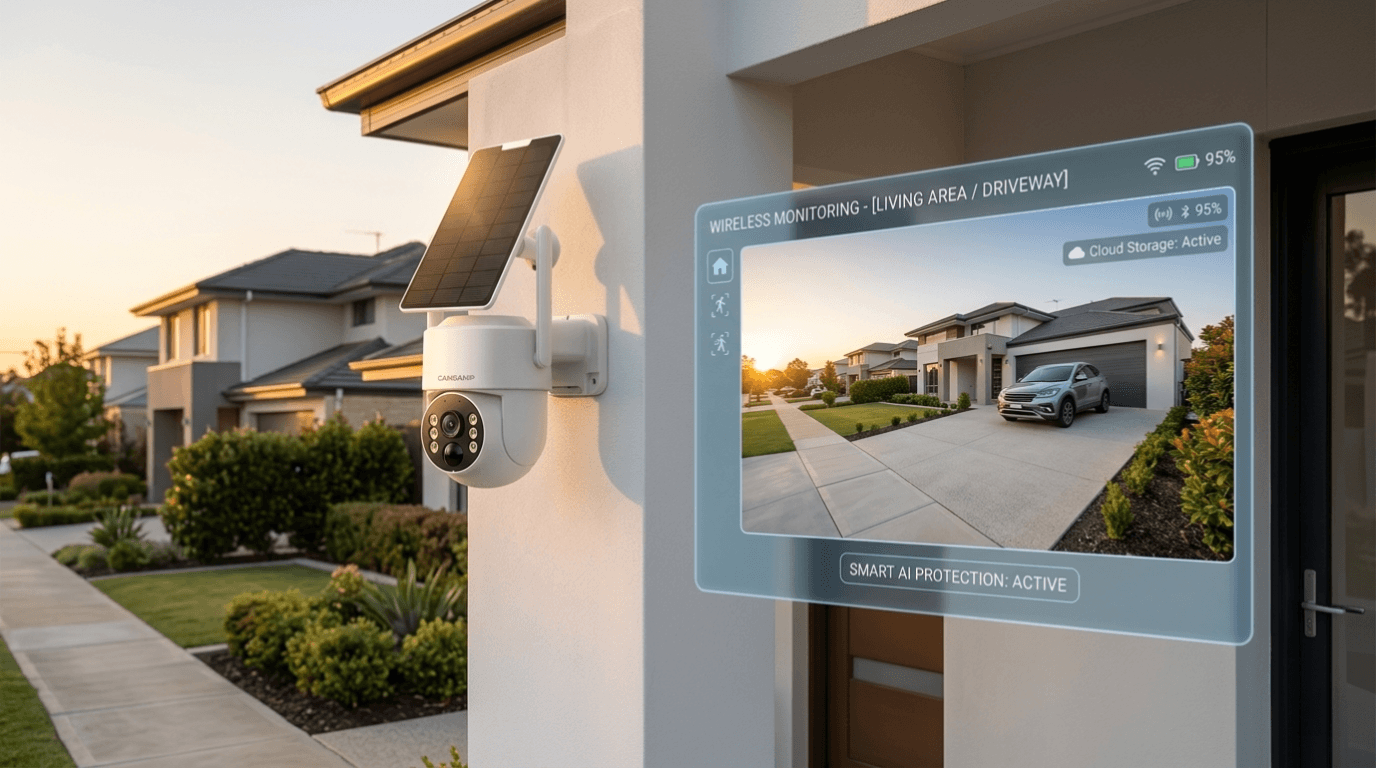
Home security technology continues to evolve rapidly in 2026, but many people still ask an important question: Do security cameras work without WiFi?
The short answer is yes. Security cameras can absolutely work without WiFi, depending on the type of system you choose. While many modern wireless security cameras, smart home cameras, and cloud-based surveillance systems rely heavily on internet connections, several alternatives can operate independently.
For homeowners, RV travelers, farm owners, construction site managers, and people living in rural locations, understanding how security cameras without internet, cellular security cameras, and local storage surveillance systems work can help you choose the right solution.

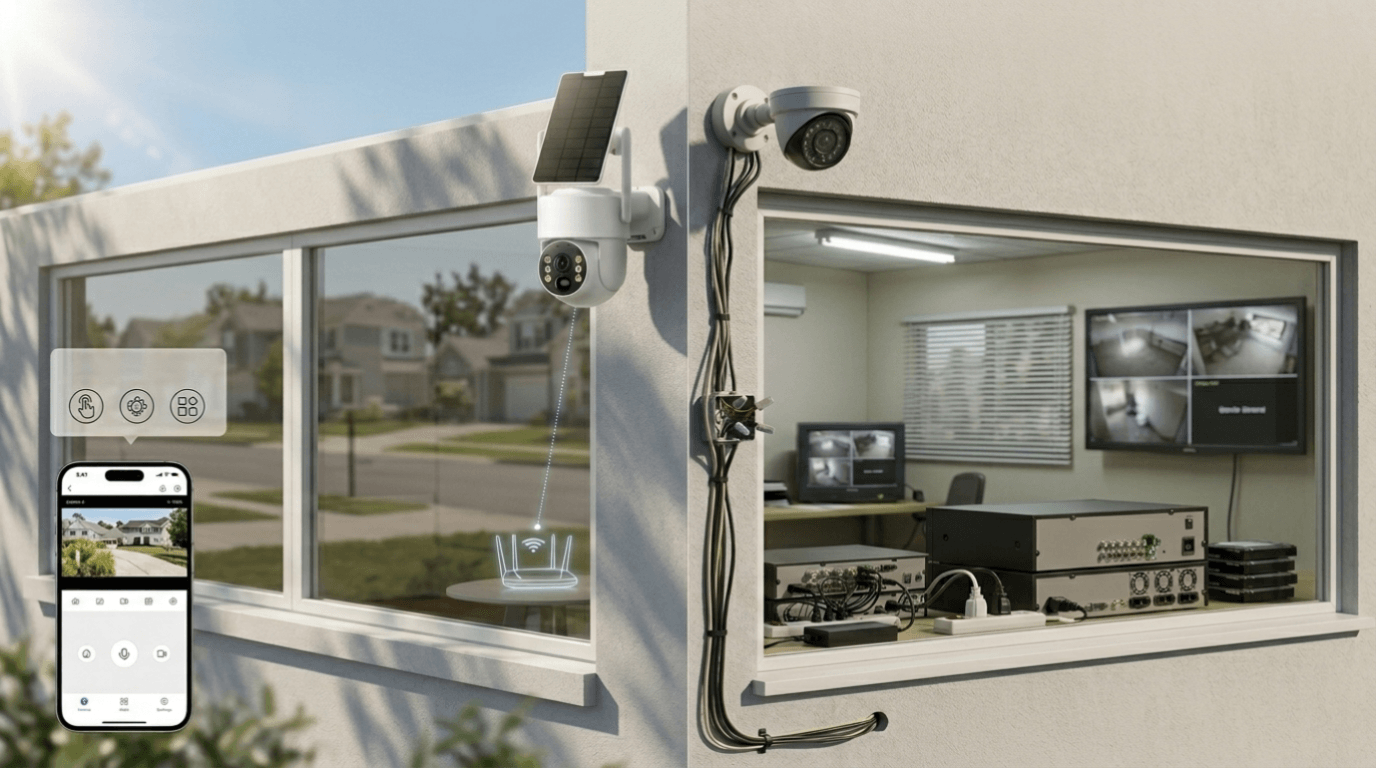
How Do Traditional WiFi Security Cameras Work?
Most modern security cameras connect to a home WiFi network. These systems typically provide:
- Real-time mobile notifications
- Cloud video storage
- Remote viewing
- AI motion detection
- Voice assistant support
WiFi-connected cameras send data through your internet network and allow you to monitor your home from virtually anywhere.
However, they also have some limitations:
- Internet outages stop remote access
- Weak signals create delays
- Rural areas may have poor connectivity
- Increased dependence on cloud subscriptions
This leads many users to search for security cameras that work without WiFi.
Can Security Cameras Operate Without Internet?
Yes. A security camera does not necessarily need WiFi to perform its basic function.
The primary job of any camera is simple:
- Capture video
- Store recordings
- Detect activity
Internet mainly adds convenience features.
Without WiFi, cameras can still:
✔ Record continuously
✔ Save footage locally
✔ Detect movement
✔ Store video to SD cards, NVR systems, or hard drives
✔ Operate in remote areas
Types of Security Cameras That Work Without WiFi
There are several categories of offline security systems.
1. Local Storage Cameras
These cameras save footage directly onto:
- MicroSD cards
- Hard drives
- NVR systems
- DVR systems
The camera records normally even when internet service disappears.
Users can later access recordings directly from storage devices.
Best for:
- Small homes
- Indoor monitoring
- Budget-friendly setups
2. Cellular Security Cameras
Cellular security cameras use 4G or LTE mobile networks instead of traditional internet service.
Rather than connecting to home WiFi, they use:
- SIM cards
- Cellular data networks
- Mobile transmission systems
Advantages include:
- Remote monitoring anywhere
- Suitable for remote locations(Supports mobile signals)
- Ideal for farms and cabins
- Real-time alerts

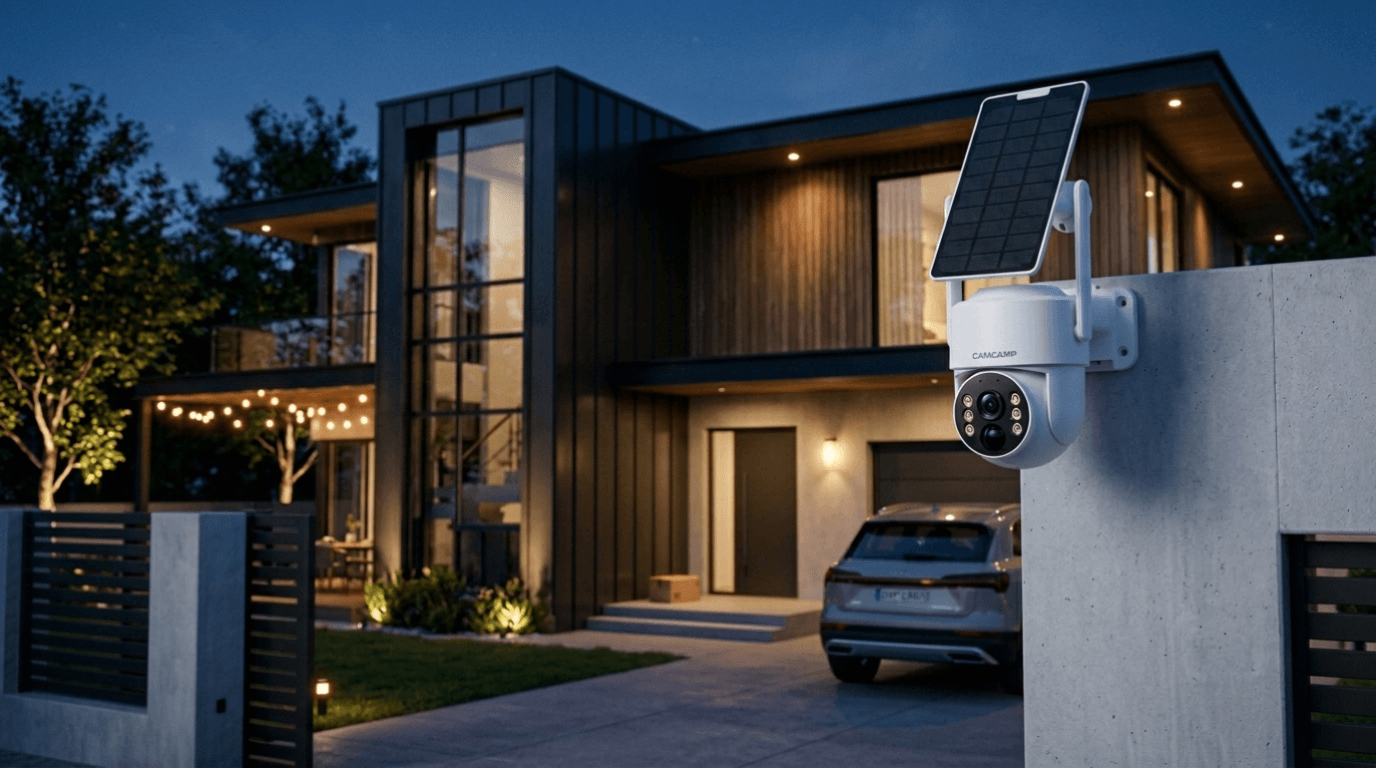
3. Solar Powered Security Cameras
Solar-powered systems often combine:
- Rechargeable batteries
- Solar panels
- Cellular networks
- Motion detection technology
This creates a nearly independent surveillance solution.
Solar cameras are increasingly popular because homeowners want:
- Wireless installation
- Reduced maintenance
- Energy efficiency
- Flexible placement
For example, many modern Camcamp outdoor camera systems combine solar charging with smart monitoring capabilities.
What Features Still Work Without WiFi?
People often assume everything stops working without internet, but many important features remain active.
Features that usually continue operating:
Motion Detection
Cameras can still identify movement and trigger recordings.
Night Vision
Infrared LEDs function independently of internet access.
Local Recording
Video files continue saving onto local storage devices.
Continuous Recording
DVR and NVR systems can record.
Solar-powered
Solar-powered security cameras still operate normally.
What Features May Stop Working Without WiFi?
Some cloud-based functions may become unavailable.
These often include:
Remote Mobile Viewing
Viewing live footage on your phone generally requires internet access.
Cloud Storage
Cloud servers need active internet connections.
Smart Home Integration
Systems connected with voice assistants may stop responding.
Instant Push Notifications
Alerts usually require data transmission.
Why More Homeowners Are Looking for Non-WiFi Security Cameras
Internet outages happen more frequently than many homeowners expect.
People also increasingly want security systems for locations where WiFi simply isn't available:
- Farms
- Ranches
- Hunting cabins
- RVs
- Warehouses
- Construction sites
- Vacation homes
Offline systems also improve privacy.
Because footage remains stored locally, users maintain greater control over personal data and surveillance recordings.

Are Non-WiFi Cameras Better Than WiFi Cameras?
The answer depends on your needs.
WiFi Security Cameras
Pros:
- Easy installation
- Smart features
- Remote monitoring
- Cloud access
Cons:
- Requires stable internet
- Connectivity issues
Non-WiFi Security Cameras
Pros:
- Works during internet outages
- Local data control
- Greater reliability
Cons:
- Limited smart features
- Remote access may require cellular service
Many homeowners today use hybrid setups that combine both systems.
Why Camcamp Security Cameras Are a Smart Choice
Modern users want flexibility instead of depending entirely on WiFi.
Camcamp security systems are designed with practical features including:
- Wireless installation
- Outdoor durability
- Smart motion detection
- Solar charging options
- Night vision capabilities
- Remote monitoring support
- Home security protection
For users who need dependable surveillance in areas with unstable internet connections, flexible camera systems can offer a more reliable experience.

Final Thoughts
So, do security cameras work without WiFi?
Absolutely.
WiFi improves convenience, but it isn't required for the fundamental purpose of security cameras. Whether you choose local storage systems, cellular security cameras, or solar-powered surveillance solutions, there are many reliable ways to protect your property without depending on a home internet connection.
As more users prioritize flexibility, privacy, and remote protection, non-WiFi security solutions continue becoming one of the fastest-growing trends in home security.
If you're looking for dependable monitoring for your home, farm, vacation property, or outdoor location, understanding your connectivity needs is the first step toward building a smarter security system.

Leave a comment
This site is protected by hCaptcha and the hCaptcha Privacy Policy and Terms of Service apply.