
Introduction
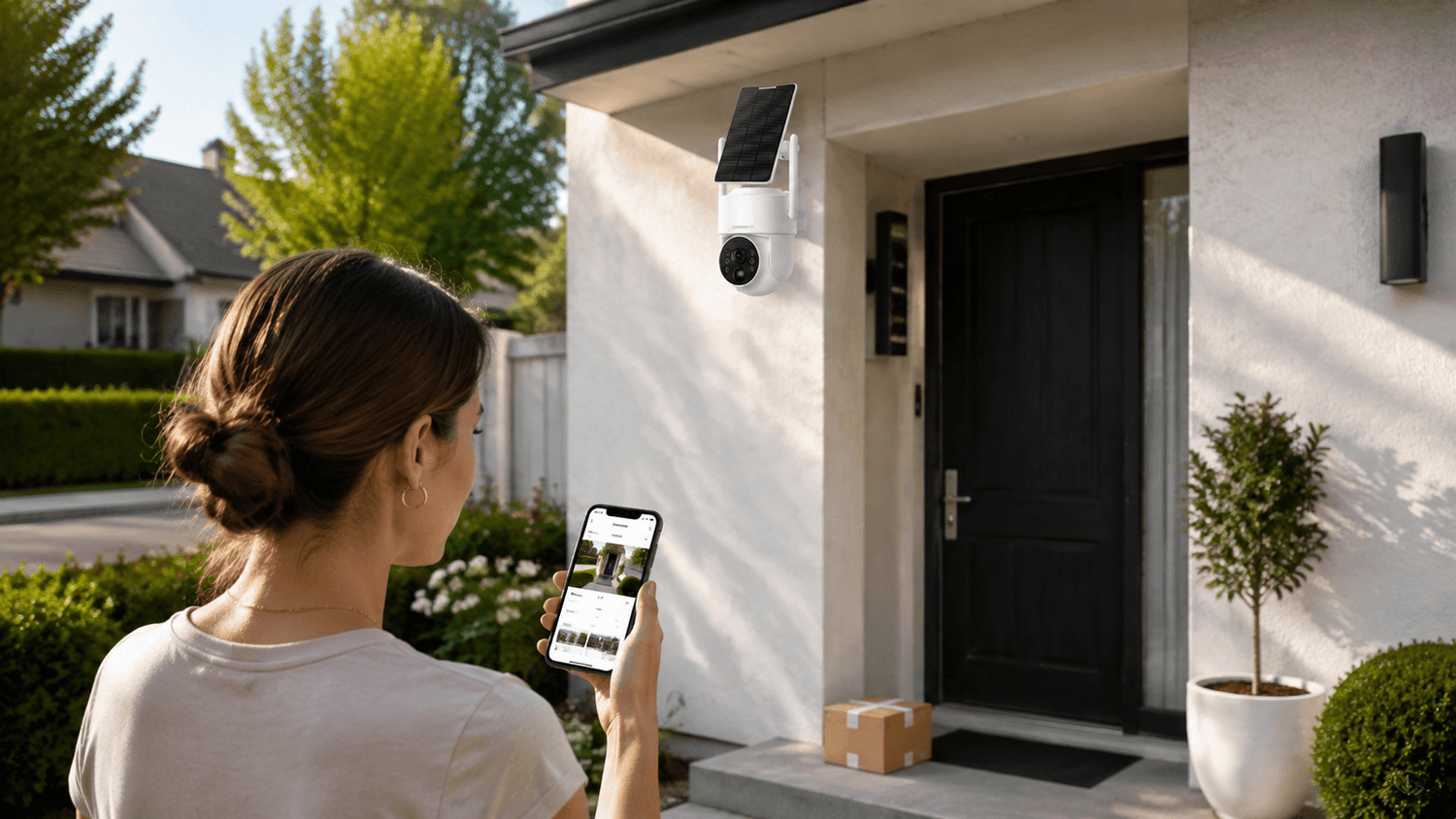
A reliable home security camera has become one of the most important tools for protecting your family, property, and valuable belongings. With advances in smart technology, today’s security cameras offer much more than basic video recording. Features such as AI motion detection, wireless connectivity, solar power, color night vision, remote monitoring, and local storage have completely changed the way homeowners approach security.
However, choosing the right camera can be overwhelming. Should you buy a wireless security camera or a wired system? Is a solar powered security camera better for outdoor areas? Do you need cloud storage, or are security cameras without subscription fees a better choice?
This complete home security camera buying guide will help you understand the key features, technologies, and considerations before purchasing a security camera system for your home.
Whether you are protecting your front door, backyard, garage, driveway, farm, or vacation property, understanding these factors will help you choose a smarter and more reliable security solution.
1. Determine Where You Need Security Cameras
Before choosing a camera, the first step is identifying where surveillance is needed.
Different locations require different types of security cameras.
Front Door Security Cameras
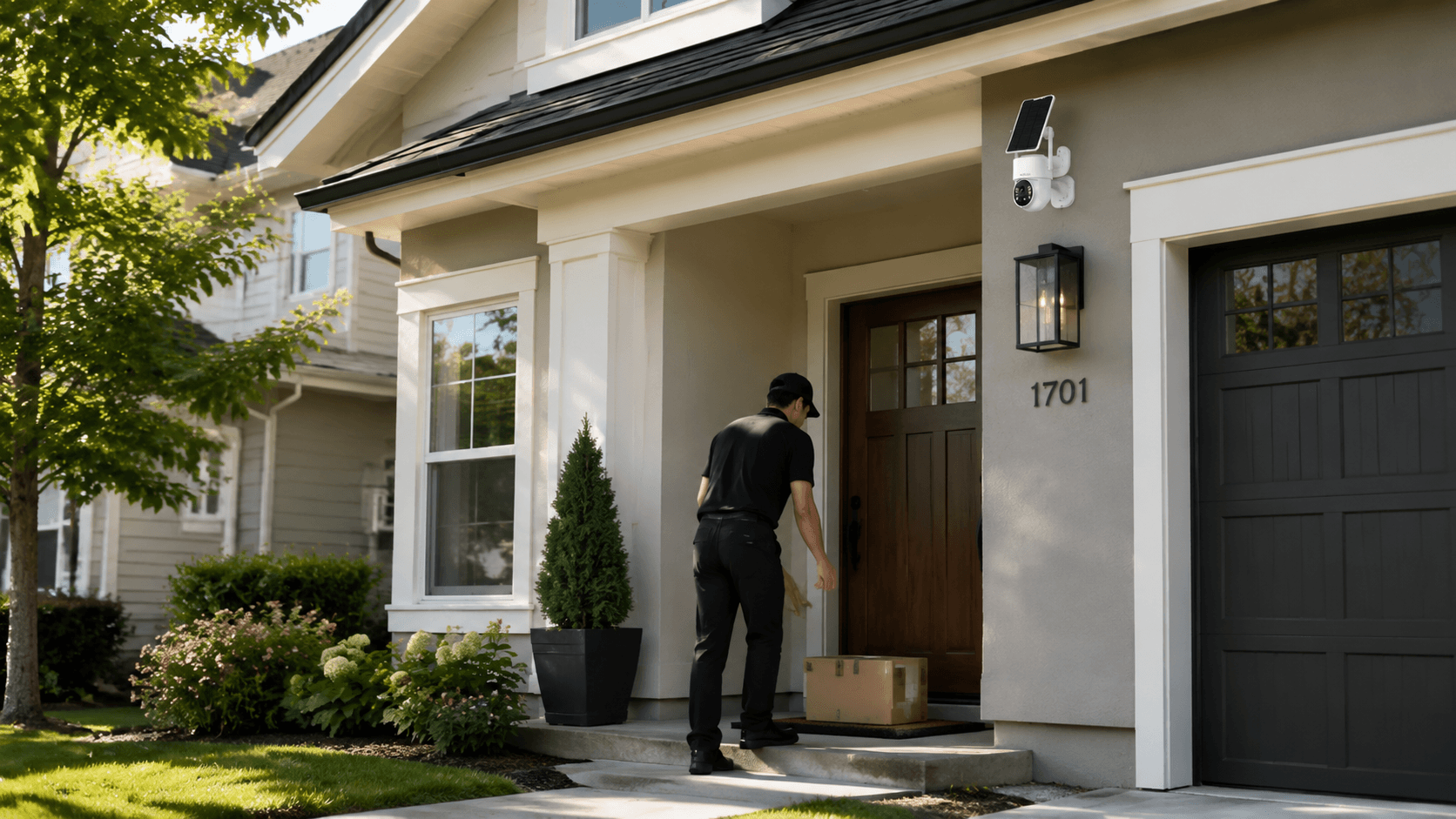
The front entrance is one of the most common areas for camera installation. A good front door camera helps monitor:
- Package deliveries
- Visitors
- Suspicious activity
- Doorstep theft
- Unexpected arrivals
For front door monitoring, homeowners often prefer:
- Wireless security cameras
- Smart motion detection cameras
- Two-way audio cameras
- Wide-angle cameras
A camera with AI human detection can reduce unnecessary alerts caused by moving trees, pets, or changing weather conditions.
Backyard and Outdoor Security Cameras
Outdoor areas require cameras designed to handle changing environments.
The best outdoor security cameras should include:
- Weather-resistant housing
- Strong night vision
- Long detection distance
- Stable wireless connection
- Durable battery performance
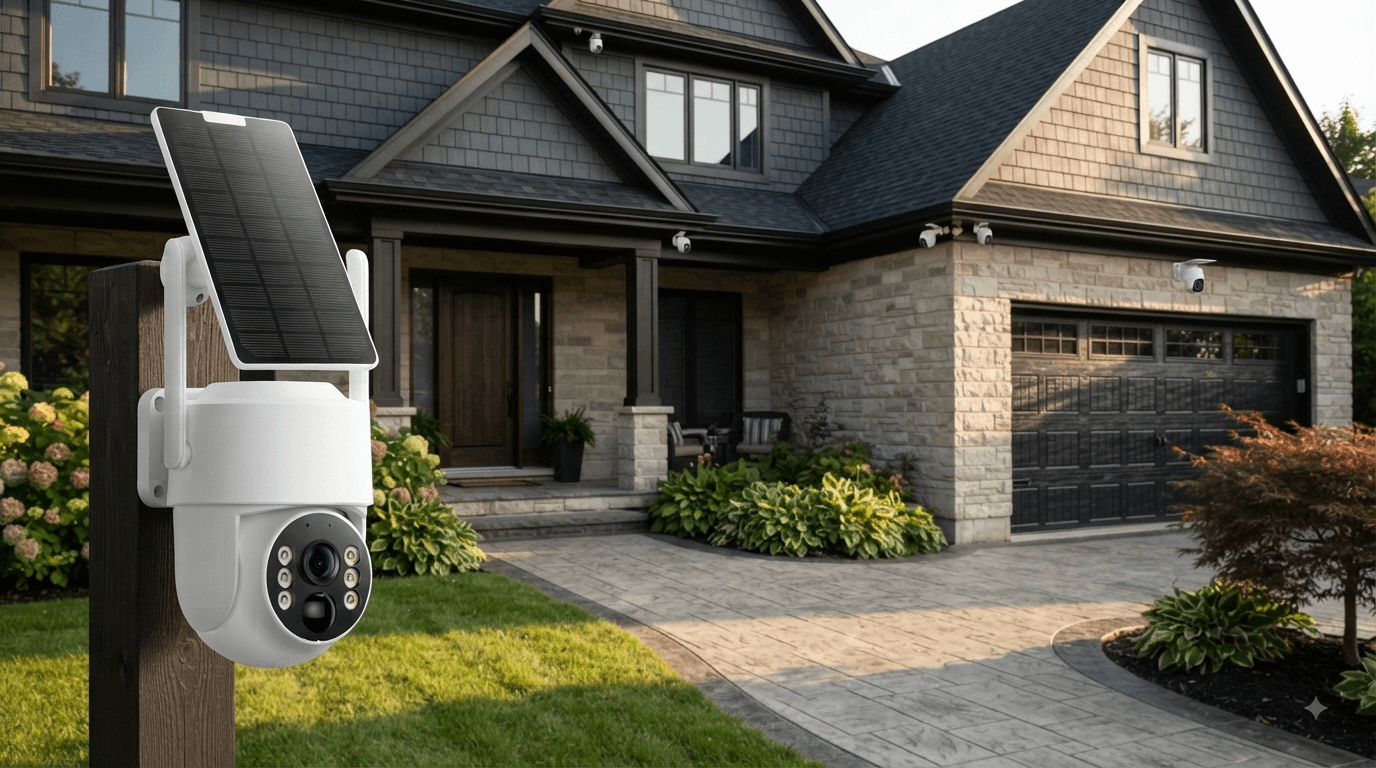
For areas without nearby power outlets, a solar powered security camera can provide a convenient solution by using sunlight to maintain battery power.
Camcamp outdoor security camera systems are designed for homeowners who need reliable monitoring in locations such as gardens, driveways, garages, and remote outdoor spaces.
2. Choose Between Wired and Wireless Security Cameras
One of the biggest decisions when buying a home security camera system is choosing between wired and wireless options.
Both have advantages depending on your installation needs.
Wireless Security Cameras
A wireless security camera is one of the most popular choices for modern homeowners because it offers flexible installation and easier setup.
Advantages include:
- Easy DIY installation
- No complicated wiring
- Flexible camera placement
- Remote viewing through smartphone apps
- Suitable for renters and homeowners
Wireless cameras are especially useful for locations where running cables is difficult, such as:
- Backyards
- Garages
- Driveways
- Vacation homes
- Farms
Many modern wireless security cameras combine WiFi connectivity, rechargeable batteries, and solar charging technology to provide long-term outdoor protection.
Wired Security Cameras
Traditional wired security camera systems remain popular for users who need continuous recording and maximum reliability.
Advantages include:
- Stable connection
- No battery maintenance
- Suitable for large properties
- Reliable 24/7 recording with constant power
However, installation usually requires:
- Cable routing
- Drilling
- Professional installation in some cases
For most residential users, a wireless security camera system provides a better balance between convenience and performance.
3. Understand Security Camera Resolution and Video Quality
Video quality is one of the most important factors when selecting a security camera.
A higher resolution camera provides clearer images, especially when identifying:
- Faces
- License plates
- Package details
- Outdoor activity
Common security camera resolutions include:
1080P Full HD Security Cameras
1080P cameras provide basic image quality and are suitable for simple monitoring.
Recommended for:
- Small entrances
- Indoor areas
- Basic surveillance needs
2K Security Cameras
2K cameras offer noticeably improved details compared with Full HD.
They are ideal for:
- Front yards
- Driveways
- Outdoor entrances
- Home security monitoring
4K Security Cameras
A 4K security camera provides ultra-high-definition video with significantly more detail.
Benefits include:
- Clearer zooming
- Better identification ability
- Improved daytime recording
- More detailed playback
For homeowners looking for long-term protection, investing in higher-resolution cameras can provide better security value.

Comparison
4. Consider Night Vision Performance
A security camera is only useful if it can protect your property after dark.
Night vision is one of the most important features for any outdoor security camera.
Modern cameras usually use:
Infrared Night Vision
Infrared technology allows cameras to capture images in complete darkness.
Advantages:
- Works without visible light
- Provides reliable nighttime monitoring
- Saves energy
Color Night Vision
Some advanced security cameras use additional sensors or lighting technology to provide clearer nighttime images with more details.
Benefits include:
- Easier identification
- More realistic footage
- Better evidence collection
When choosing a night vision security camera, consider:
- Night vision range
- Image clarity
- Low-light performance
- Motion detection accuracy
A quality camera should provide clear footage both during the day and at night.
5. Look for Smart Features Like AI Motion Detection
Traditional cameras record everything, creating many unnecessary alerts.
Modern AI security cameras use artificial intelligence to analyze movement and identify important events.
AI motion detection can recognize:
- People
- Vehicles
- Animals
- Suspicious movement
This helps reduce false alarms caused by:
- Falling leaves
- Rain
- Small animals
- Moving shadows
For homeowners, an AI motion detection camera provides a smarter and more efficient security experience.
Instead of receiving dozens of meaningless notifications, users receive alerts that actually matter.

6. Storage Options: Cloud vs Local Storage
Storage is another important factor when choosing a security camera.
There are two main options:
Cloud Storage
Cloud storage saves video recordings online.
Advantages:
- Access videos anywhere
- Automatic backup
- Easy sharing
However, many cloud services require monthly subscription fees.
Local Storage
Many homeowners prefer security cameras with local storage because they avoid recurring costs.
Local storage options include:
- SD cards
- NVR systems
- Hard drives
Benefits:
- No monthly subscription
- More privacy
- Long-term recording options
For users searching for security cameras without subscription fees, local storage systems are often the better choice.
7. Solar Powered Security Cameras: Are They Worth It?
Solar technology has become increasingly popular in outdoor surveillance.
A solar powered security camera uses sunlight to recharge its battery, reducing the need for frequent charging.
Advantages include:
- Lower maintenance
- Flexible installation locations
- Eco-friendly operation
- Suitable for remote areas
Solar security cameras are especially useful for:
- Large yards
- Farms
- Driveways
- Areas without electrical outlets
For outdoor monitoring, solar-powered cameras provide a convenient balance between independence and reliability.

8. Installation Tips for Home Security Cameras
Installing a security camera correctly is just as important as choosing the right model.
Recommended installation locations:
Front Door
Protect packages and monitor visitors.
Driveway
Capture vehicles and outdoor movement.
Backyard
Monitor outdoor activities and property boundaries.
Garage
Protect tools, vehicles, and storage areas.
Installation tips:
- Place cameras high enough to prevent tampering
- Avoid direct sunlight into the lens
- Ensure WiFi signal strength
- Adjust camera angle carefully
- Test motion detection areas
A properly installed camera can significantly improve your overall home security.

FAQ
What is the best home security camera for outdoor use?
The best outdoor security camera depends on your needs, but models with weather resistance, AI motion detection, night vision, and reliable storage options provide better protection for homes.
Solar powered security cameras are especially useful for outdoor locations without nearby power outlets.
Do wireless security cameras work without WiFi?
Most wireless WiFi security cameras require internet access for remote viewing. However, some security camera systems can use local storage or cellular connections depending on the model.
Are security cameras worth buying?
Yes. A home security camera can help deter crime, monitor important areas, protect packages, and provide valuable video evidence when needed.
Do security cameras require monthly fees?
Not always. Many modern security cameras support local storage options such as SD cards or NVR systems, allowing homeowners to use cameras without monthly subscription fees.
Which security camera is best for night monitoring?
A good night vision security camera should provide clear low-light performance, infrared or color night vision, and reliable motion detection after dark.
Conclusion
Choose the Right Home Security Camera for Your Needs
Choosing the right home security camera does not mean selecting the camera with the most features. The best security solution depends on your property, installation location, security goals, and budget.
Before purchasing a camera, consider important factors such as:
- Camera resolution
- Outdoor durability
- Wireless connectivity
- Night vision performance
- AI motion detection
- Storage options
- Solar charging capability
- Installation requirements
For homeowners who want flexible protection without complicated installation, a wireless outdoor security camera system with smart detection features can provide an excellent balance between convenience and security.
Modern solutions like Camcamp security cameras combine advanced technology with easy installation, helping families monitor their homes, yards, garages, and outdoor spaces with confidence.
Whether you need a simple front door camera or a complete home security camera system, understanding these features will help you make a smarter buying decision and create a safer living environment.

Leave a comment
This site is protected by hCaptcha and the hCaptcha Privacy Policy and Terms of Service apply.